A global archive of sacred & psychoactive mushrooms
The Cultures That Learned to Speak With Mushrooms
For thousands of years — across Mexico, Siberia, and southern Africa — people have treated certain mushrooms as healers, teachers, ancestors, and gods. This is the archive of those encounters.
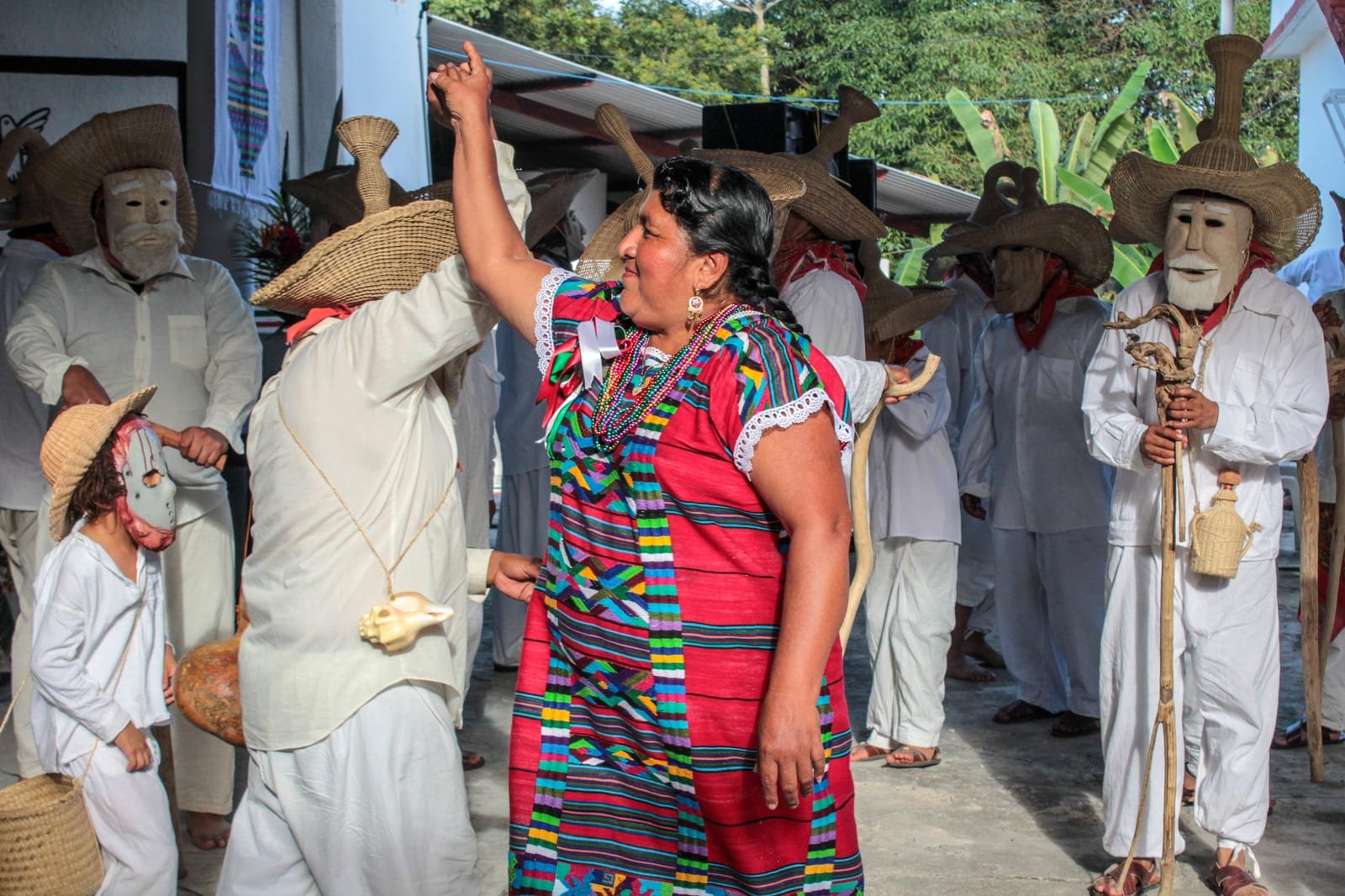
Day of the Dead, Ojitlán, Chinantla, Oaxaca · Photo: Fabricio González Soriano · CC BY-SA 4.0
New here?
Four ways into the archive
The question at the centre
Why do peoples who never met report the same voice?
On every inhabited continent, people who eat these mushrooms describe not just visions but a presence — something that speaks, names the illness, teaches. It's the strangest thing in this whole archive, and maybe the encounter that started every tradition in it. No one can say what it is.
Read “The Mushroom That Speaks” →The strangest thing in the archive
The mushroom that shows you little people
In Yunnan, the Papua New Guinea Highlands, and the northern Philippines, people who eat certain blue-bruising boletes describe the same oddly specific vision: crowds of tiny people, marching and dancing. Three regions, no shared folklore, one hallucination — and no known psychedelic has ever been found inside Lanmaoa asiatica. It is one of the genuine unsolved mysteries of humans and mushrooms.
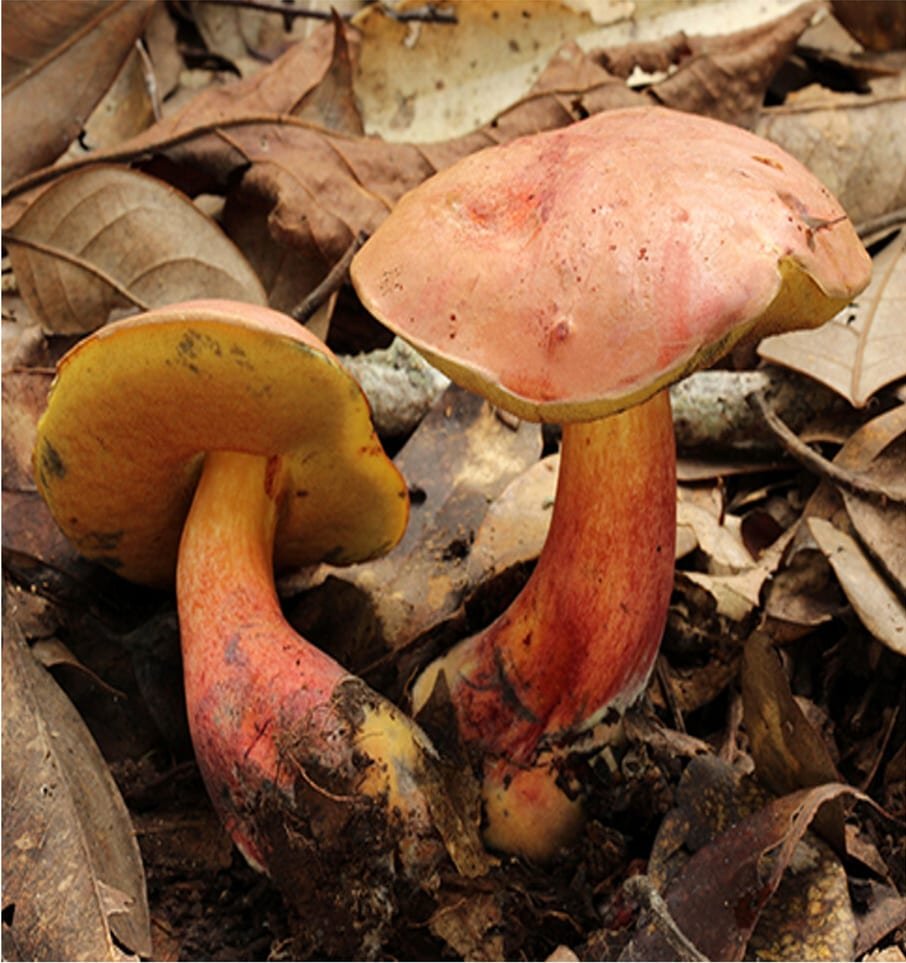
Lanmaoa asiatica
Little-people bolete · 見手青 jiàn shǒu qīng (blue-bruising bolete, Yunnan)A blue-bruising Asian bolete — no gills, no psilocybin, no muscimol — reported to bring vivid visions of tiny people. Communities in Yunnan, Papua New Guinea, and the northern Philippines describe the same effect independently, and no one yet knows what compound causes it.
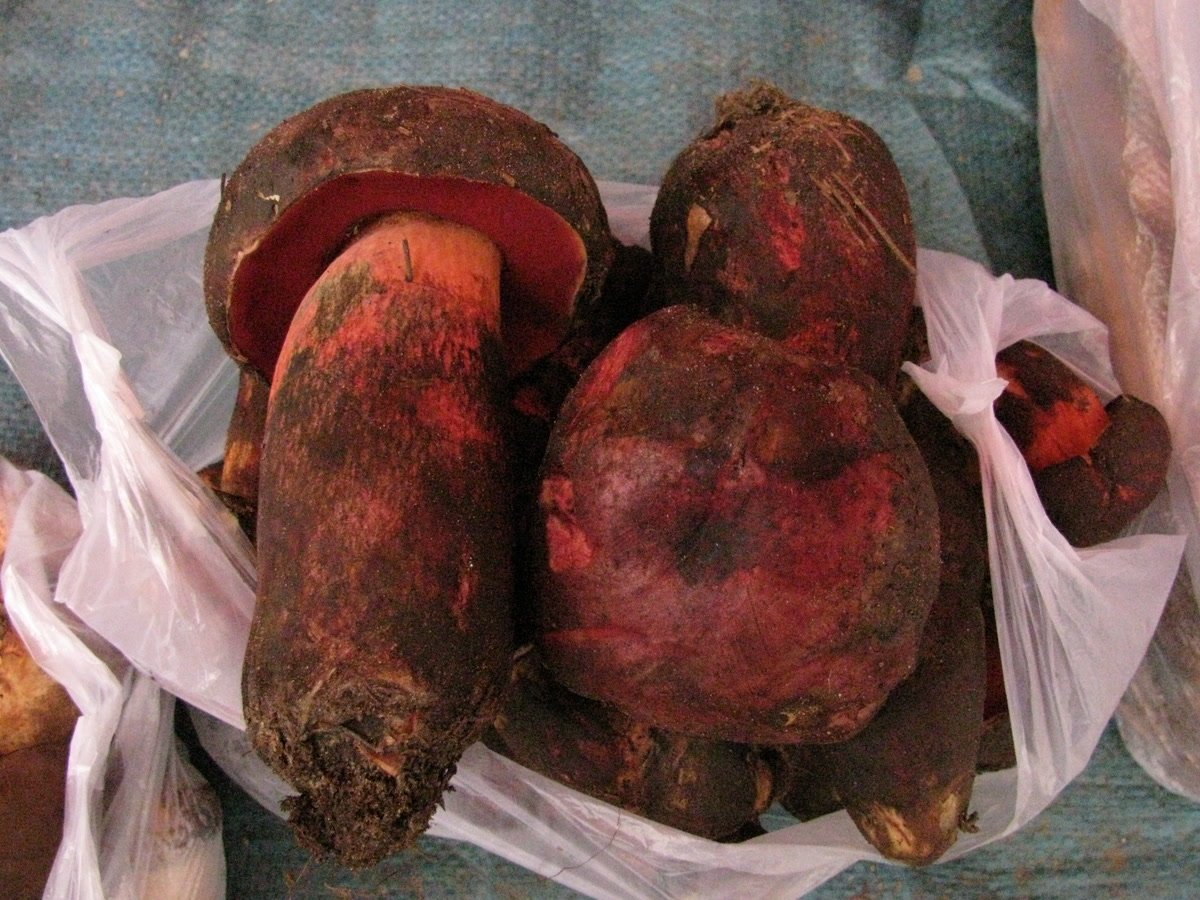
Does a single bolete really cause visions of tiny people — and if so, how?
Across Yunnan, Papua New Guinea, and the northern Philippines, people describe the same oddly specific vision — miniature humans — after eating certain blue-bruising boletes. The reports are real and strikingly consistent. The cause is not: no known hallucinogen has been found, and scholars disagree on whether the effect is chemical, toxic, or cultural.
Standing — UnresolvedFeatured traditions
Six traditions, from living ceremony to ancient mystery
Mazatec · Ha shuta enima
In the cloud forests of northern Oaxaca, Mazatec healers address certain mushrooms not as drugs but as holy children — persons who can diagnose illness and speak through ritual song. It is the best-documented living mushroom tradition in the world.
Principal mushroom — Psilocybe caerulescens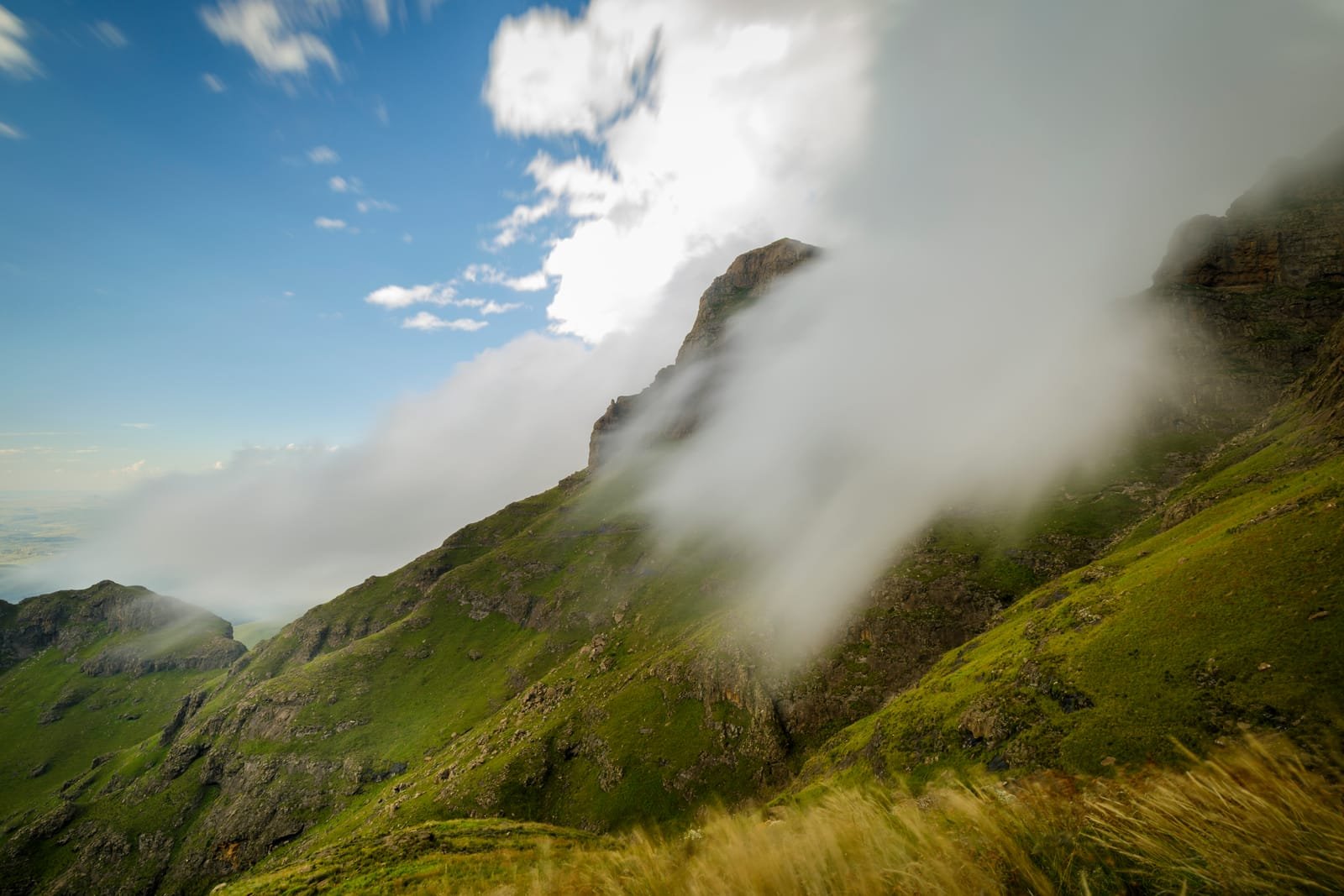
Basotho · Basotho
Southern Africa was long treated as a blank space on the psychedelic map. New research on the Basotho suggests that blankness was a failure of attention: healers identify a native psilocybin mushroom and use it — for initiation, healing, protection, and the sharpening of dreams.
Principal mushroom — Psilocybe maluti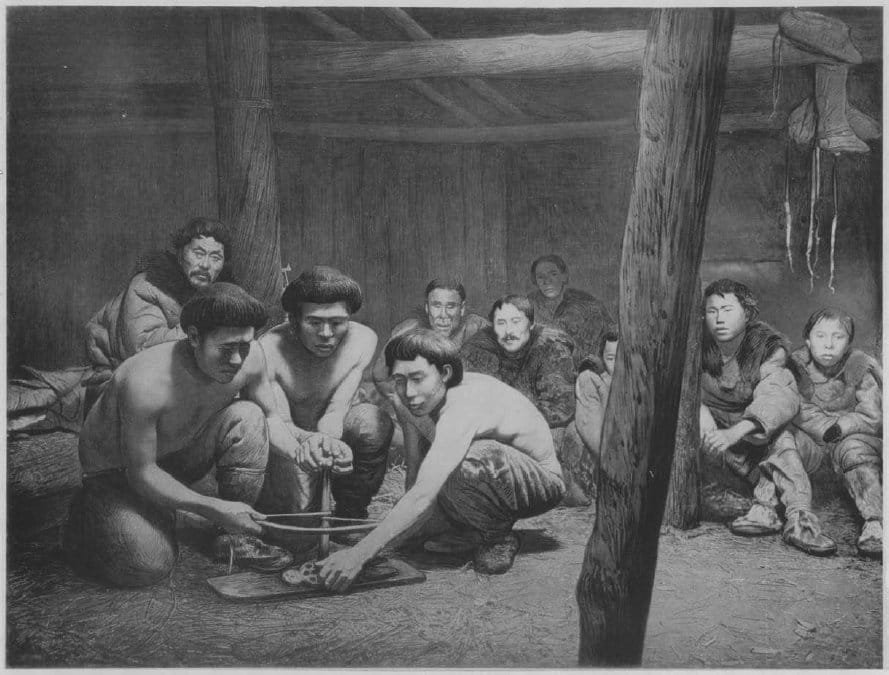
Koryak · Chavchuven & Nymylan
In the Russian Far East, classic ethnography records the fly agaric — wapaq — as a ritual and social intoxicant. It is a genuine Old-World mushroom tradition, and a chemically distinct one that must not be folded into the psilocybin story.
Principal mushroom — Amanita muscaria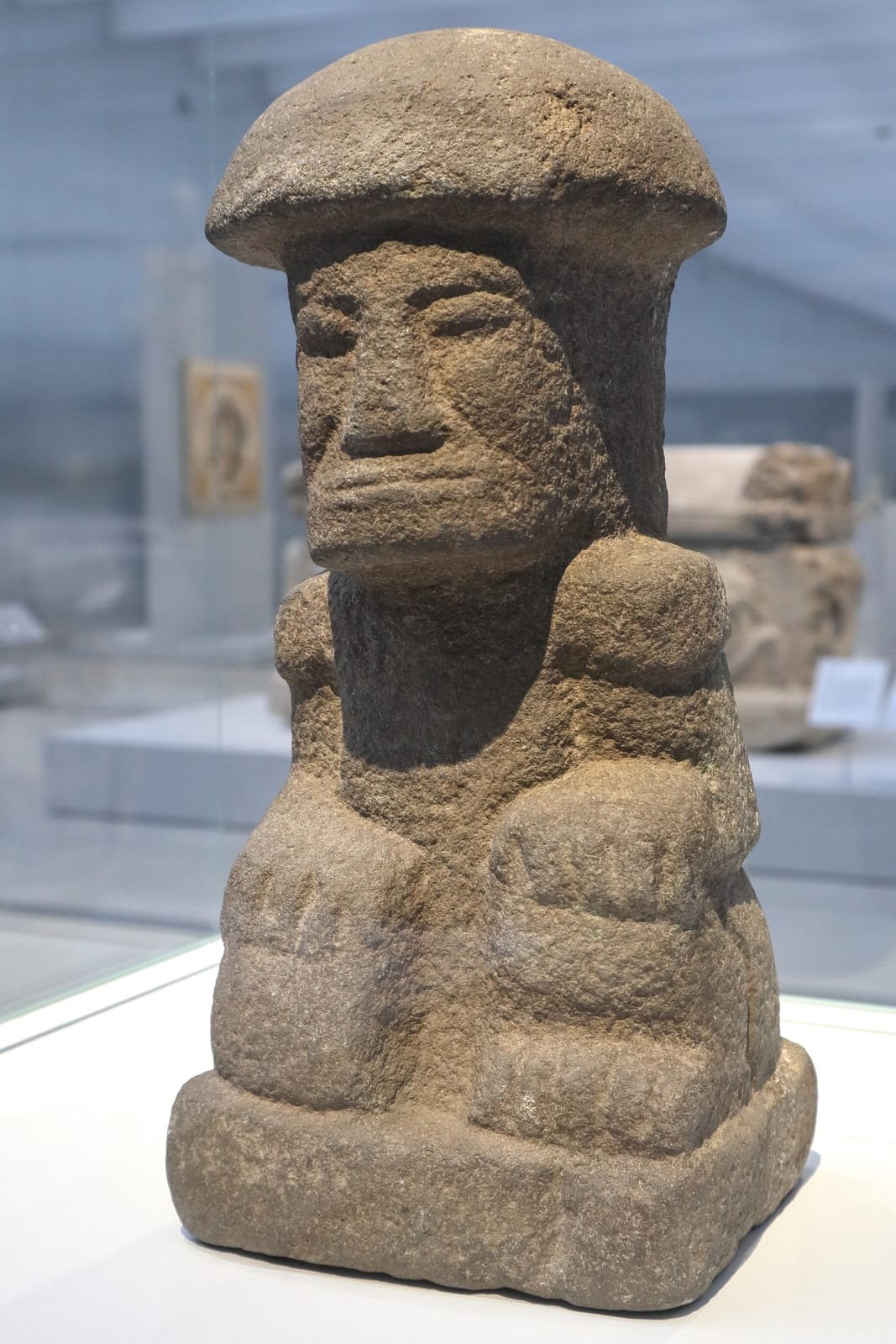
Maya
The ancient Maya mushroom story is powerful, but not simple. Carved mushroom stones from Guatemala have led some scholars to propose a sacred mushroom complex; others read the same objects as potters' moulds. No observed ceremony survives to settle it.
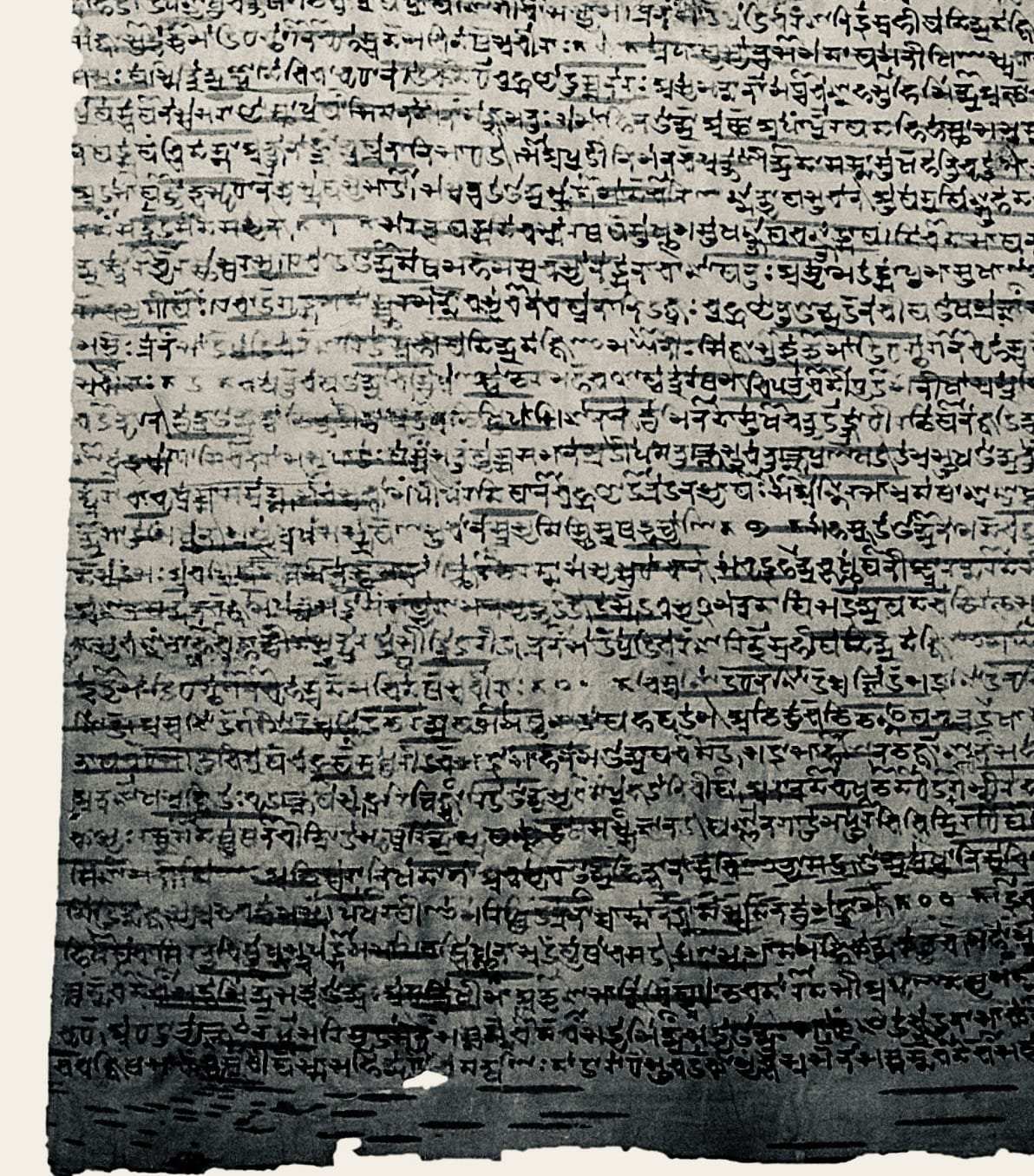
Vedic (Indo-Iranian) · Ārya
The Rigveda praises Soma — a plant pressed for a radiant juice and drunk by priests and gods. Which plant it was, the hymns never say. One famous theory makes it the fly agaric; the identification is far from settled.
Principal mushroom — Amanita muscaria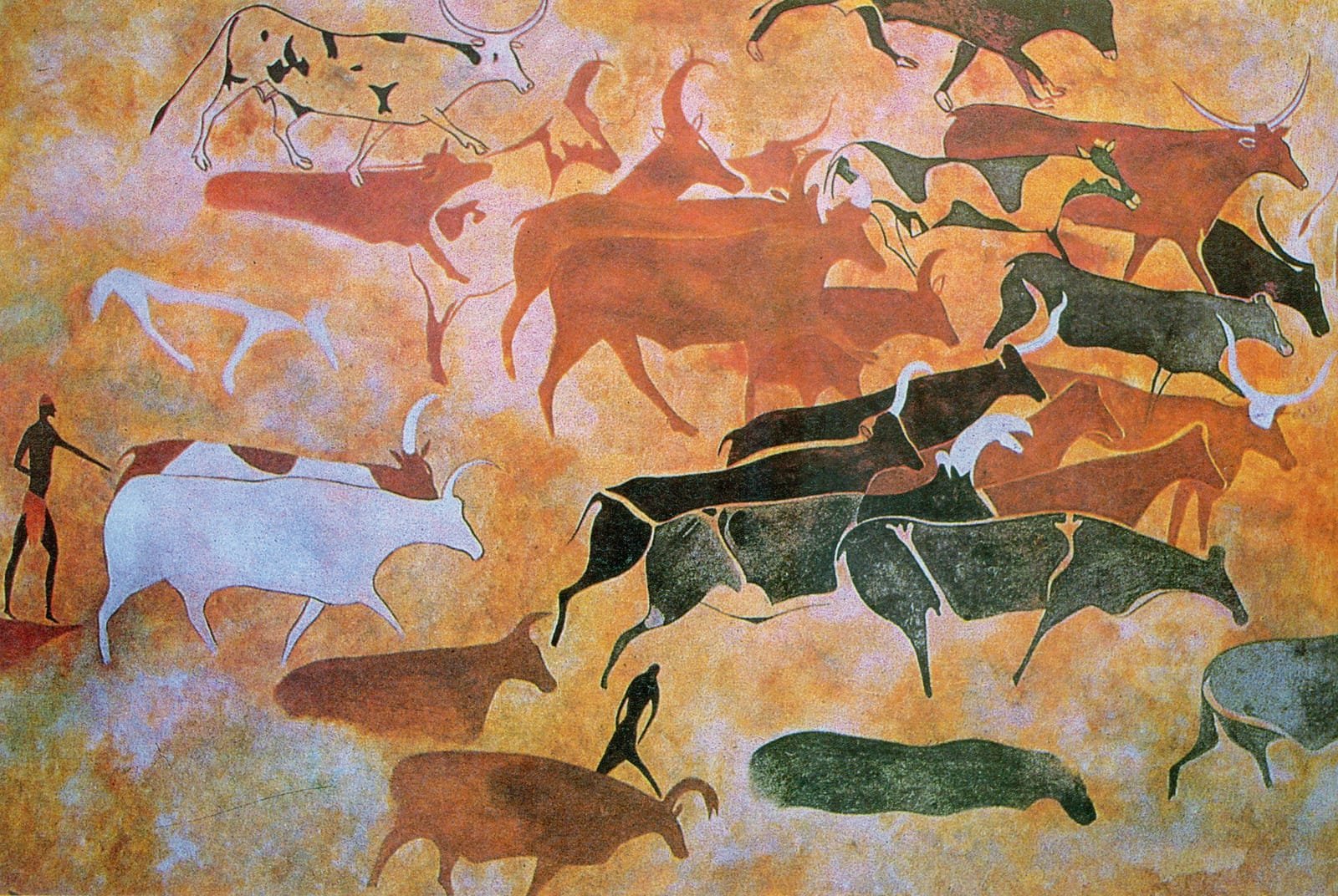
Tassili n'Ajjer
On a Saharan plateau in Algeria, some of the world's oldest rock art includes figures read by a few researchers as mushroom-holding shamans. The forms are ambiguous, and nothing connects them to a known practice.
Newly documented
Southern Africa enters the record
New research in 2024 and 2026 revealed that the Basotho of Lesotho and South Africa use a native mushroom, Psilocybe maluti, in healing and initiation — the strongest evidence yet of a sacred mushroom tradition in Africa. The practice is old. It's the written record that's new.
Basotho · Basotho
Southern Africa was long treated as a blank space on the psychedelic map. New research on the Basotho suggests that blankness was a failure of attention: healers identify a native psilocybin mushroom and use it — for initiation, healing, protection, and the sharpening of dreams.
Principal mushroom — Psilocybe malutiPsilocybe maluti
koae-ea-lekhoaba (Sesotho)A native southern African psilocybin mushroom, formally described in 2024, reported in Basotho traditional use as koae-ea-lekhoaba — the strongest published African case to date.
The interactive map
Where humanity met the mushroom
Marker locations are approximate and resolve to towns or regions — the archive never publishes exact sacred sites, gathering grounds, or private ceremonial spaces.
Featured debate
Did the ancient Maya ceremonially use sacred mushrooms?
Strongest case for
Mushroom-shaped stone objects recur across the southern Maya region, some from the Preclassic; de Borhegyi (1961) linked them to a 'mushroom-stone cult' with possible underworld and night-lord associations, and later ethnomycology found supporting symbolic resonances.
Strongest case against
Köhler (1976) reinterpreted the same objects as potters' moulds or anvils; no observed ceremony survives; psychoactive fungi decay fast and leave little direct trace; and proposed mushroom motifs in art are easy to over-read.
The species archive
The mushrooms, and the cultures that use them
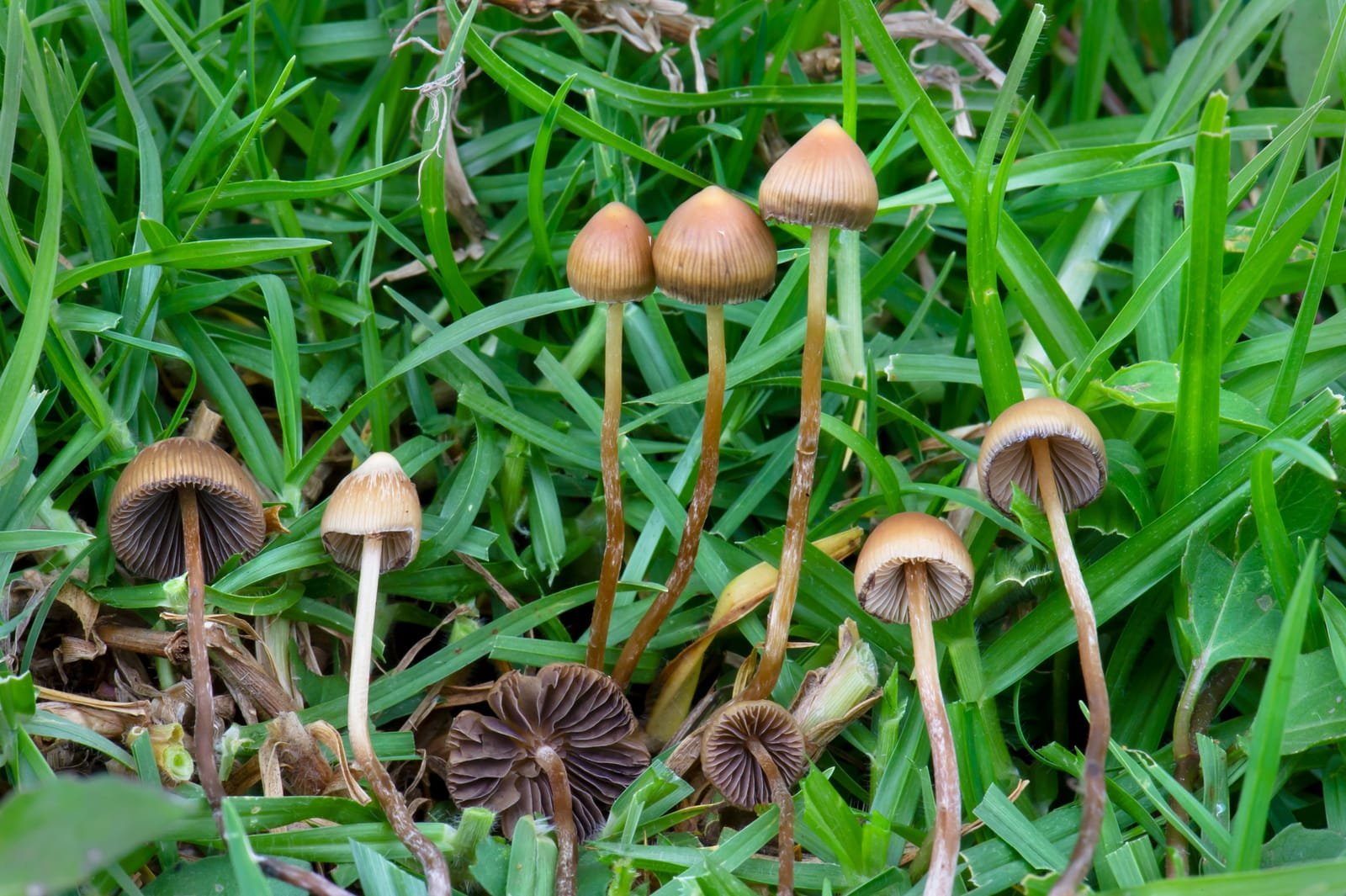
Psilocybe mexicana
Pajarito · teonanácatl (applied broadly)The small Oaxacan mushroom from which psilocybin was first isolated, and one of the species addressed as niños santos in Mazatec ceremony.
Lanmaoa asiatica
Little-people bolete · 見手青 jiàn shǒu qīng (blue-bruising bolete, Yunnan)A blue-bruising Asian bolete — no gills, no psilocybin, no muscimol — reported to bring vivid visions of tiny people. Communities in Yunnan, Papua New Guinea, and the northern Philippines describe the same effect independently, and no one yet knows what compound causes it.
Psilocybe maluti
koae-ea-lekhoaba (Sesotho)A native southern African psilocybin mushroom, formally described in 2024, reported in Basotho traditional use as koae-ea-lekhoaba — the strongest published African case to date.
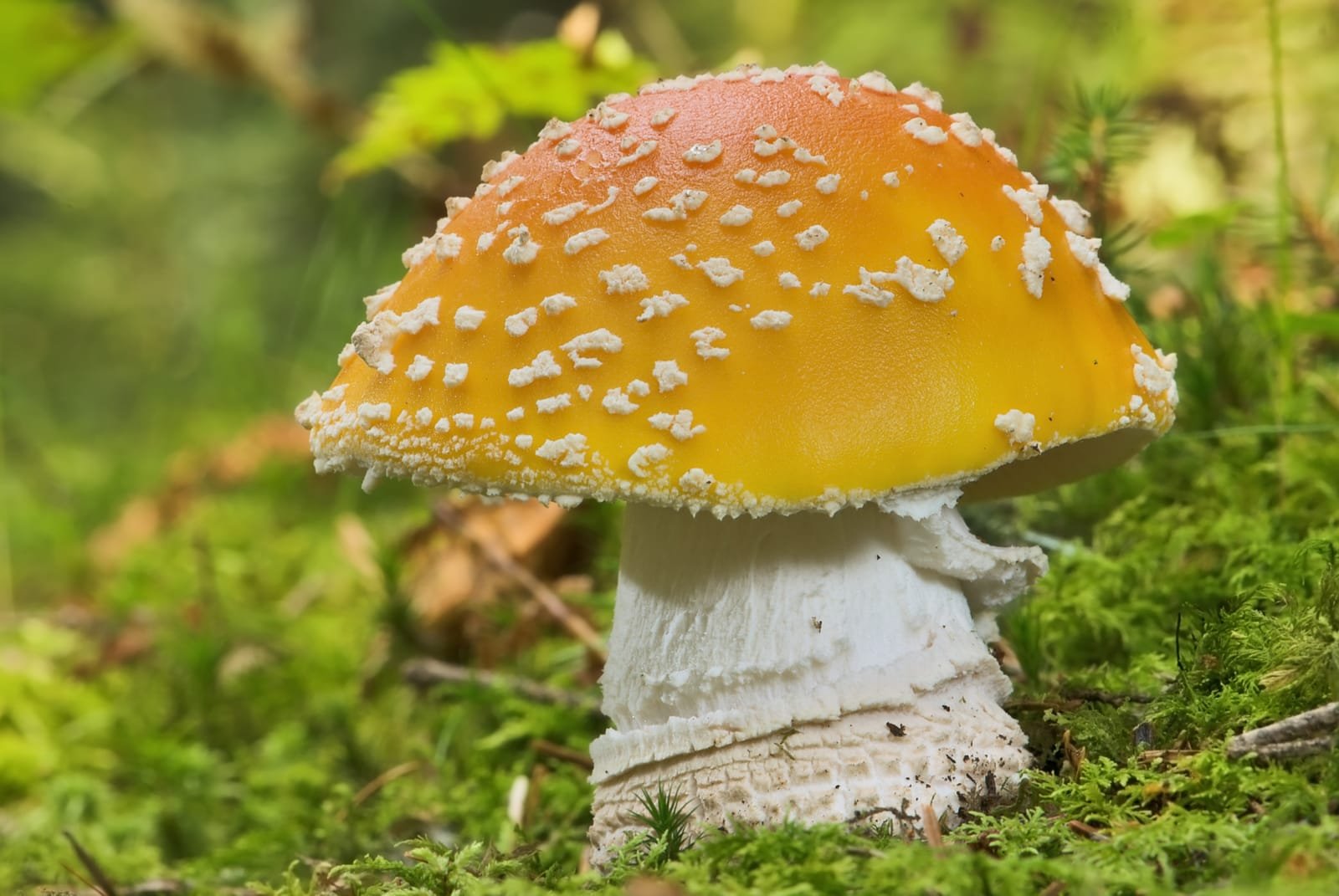
Amanita muscaria
Fly agaric · fly amanitaThe fly agaric — a genuinely toxic, muscimol-bearing mushroom (not a psilocybin species) at the centre of documented Siberian ritual use and a long train of disputed theories, from Soma to berserkers to Christmas.
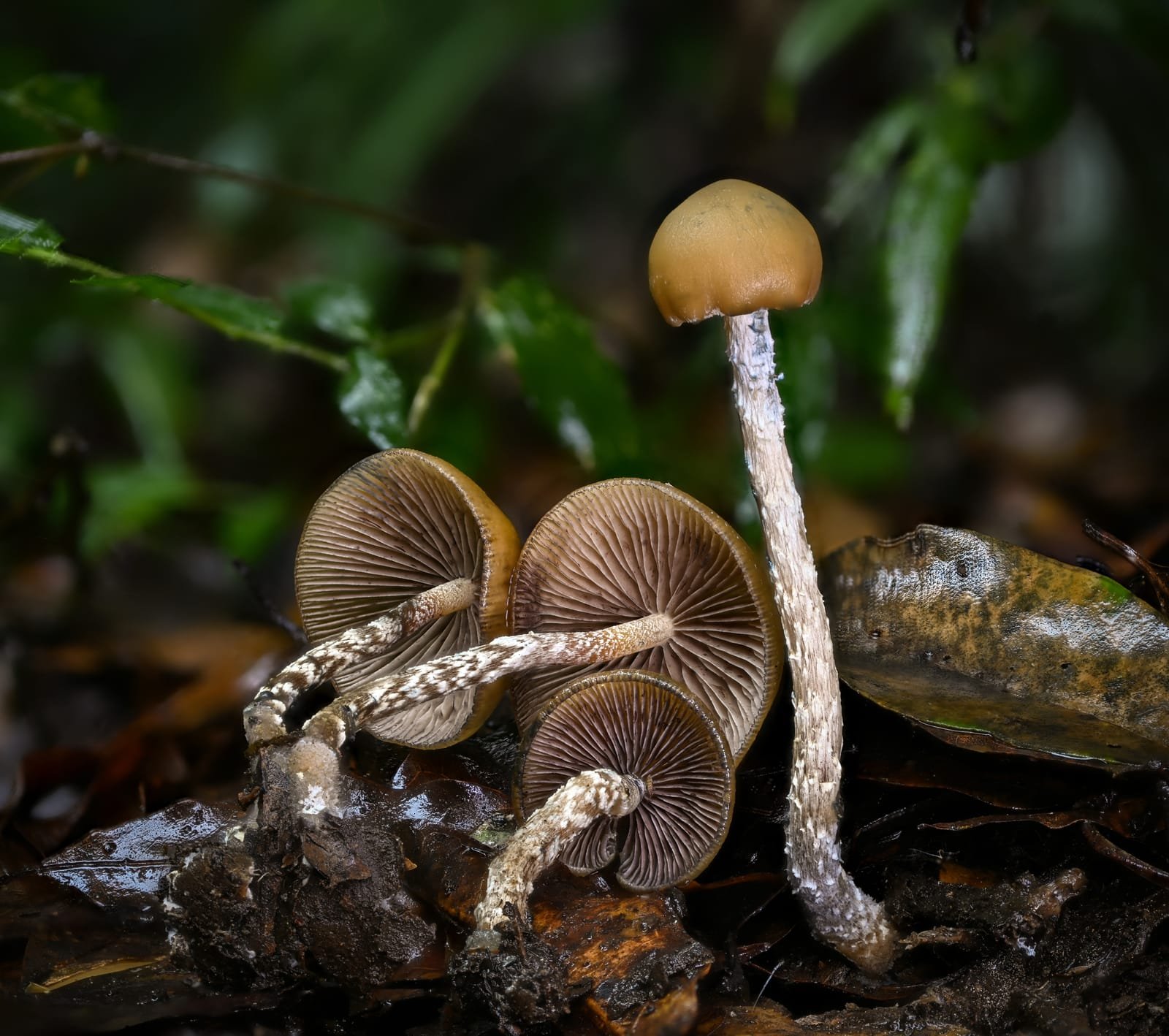
Psilocybe zapotecorum
Hongo Santo · Hongo BorrachoA robust Oaxacan species documented in 2025 as the 'holy mushroom' of a Zapotec community — Ni'to be'ya — used for healing and divination before the altar of San Miguel Arcángel.
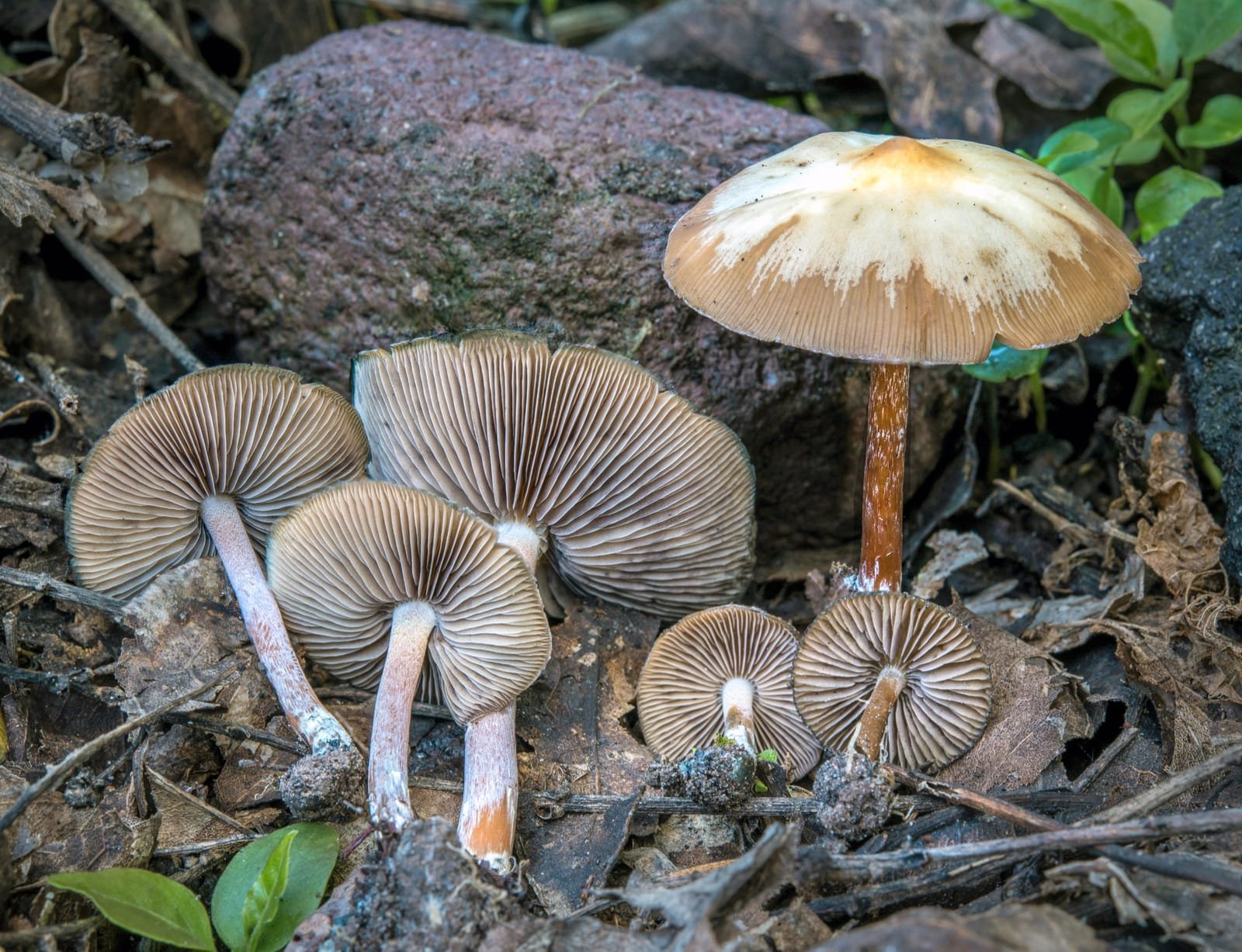
Psilocybe caerulescens
Derrumbe · landslide mushroomThe 'landslide mushroom' of highland Mexico — the derrumbe — central to Mazatec veladas and identified with the Nahua name teotlaquilnanácatl.
A tribe of our own
The Modern Revival
The newest culture to meet the mushroom is the modern West itself — its popularizers and myths, its clinics, its laws, its retreats.

The West Discovers the Mushroom
In 1957 a banker's magazine article carried the Mazatec velada to millions of readers. Within a decade the sacred mushroom had a Western following, a counterculture, and a Harvard scandal — and Huautla de Jiménez had a tourism problem it never asked for.

The Clinical Renaissance
After decades of prohibition, psilocybin went back into the laboratory. From a 1962 chapel experiment to Phase 3 depression trials in the 2020s, this is the most rigorous — and most cautiously promising — chapter of the modern story.
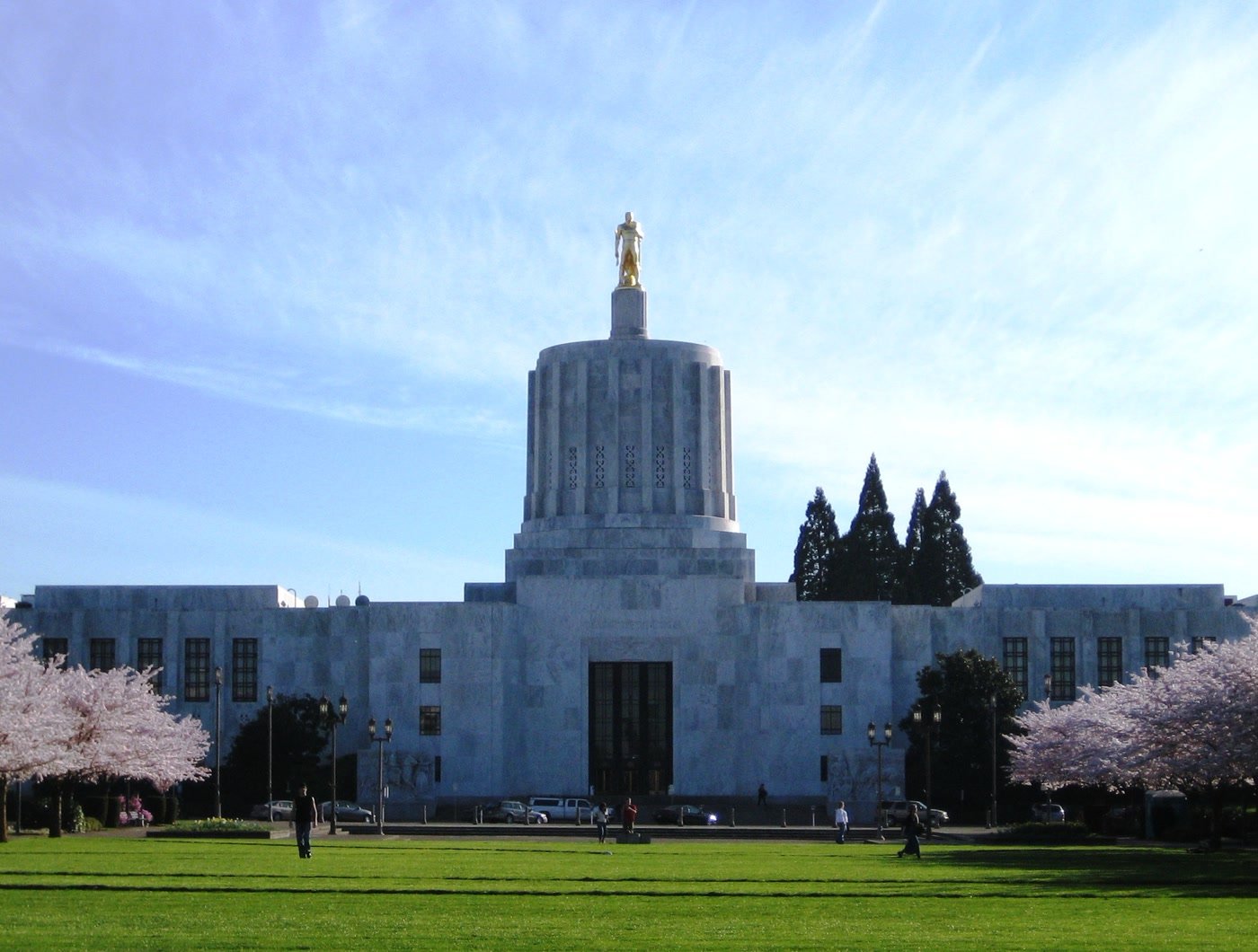
The New Legal Map
In a few short years, psilocybin went from uniformly illegal to a patchwork: decriminalised in some cities, regulated for supervised use in Oregon and Colorado, medically prescribable in Australia — and still federally prohibited in the United States.
Field notes
Recent from the archive
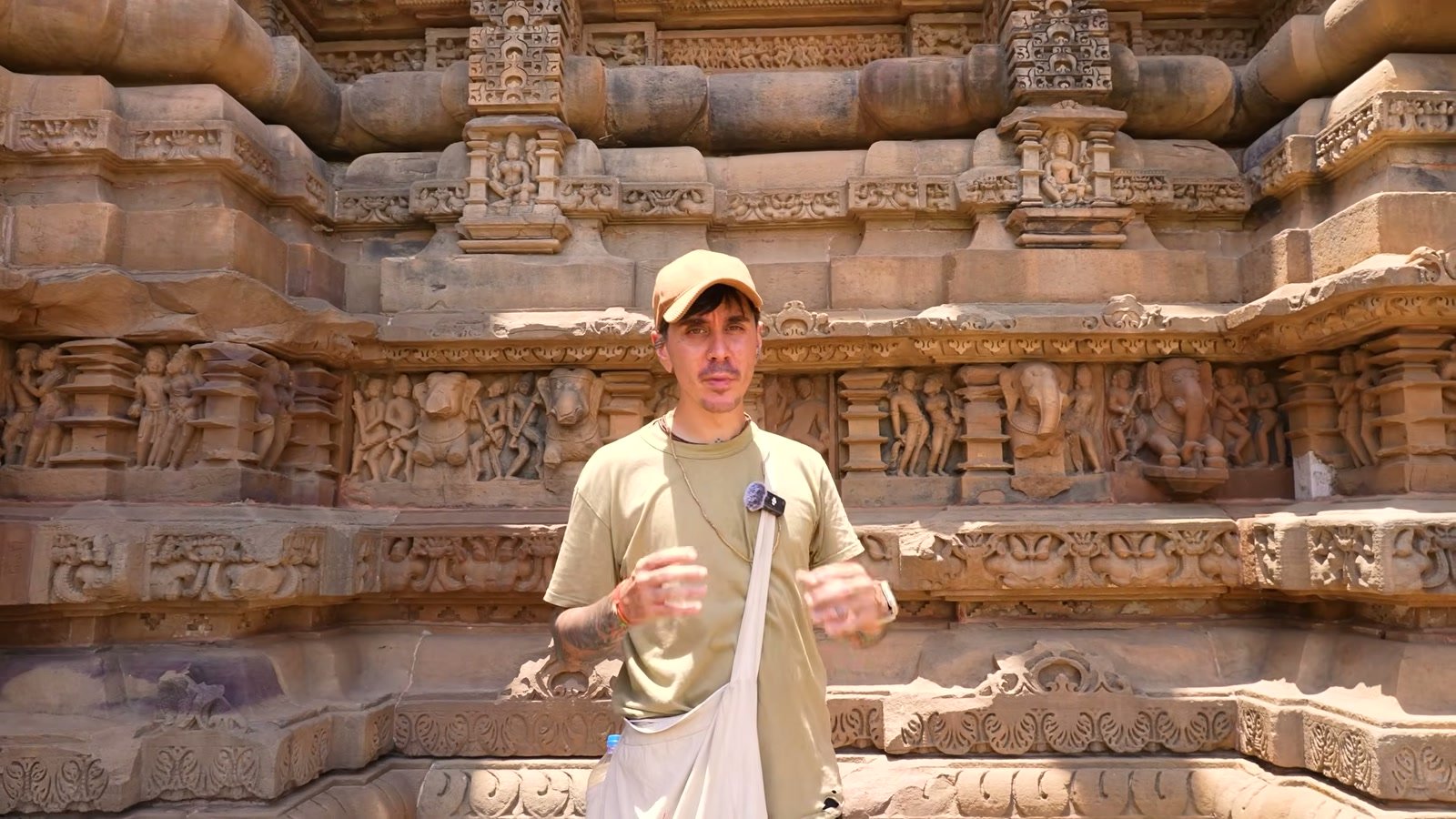
Searching for Soma
The Rigveda opens with a hymn not to a king or a god but to a substance — Soma, a plant pressed for a golden juice that granted visions of the divine, then vanished from history. I spent a season crossing India, from the stone mushrooms of Kerala to the tantric temples of Odisha, chasing the old theory that Soma was a psychedelic mushroom. This is what I found — and what I didn't.
Dakota Wint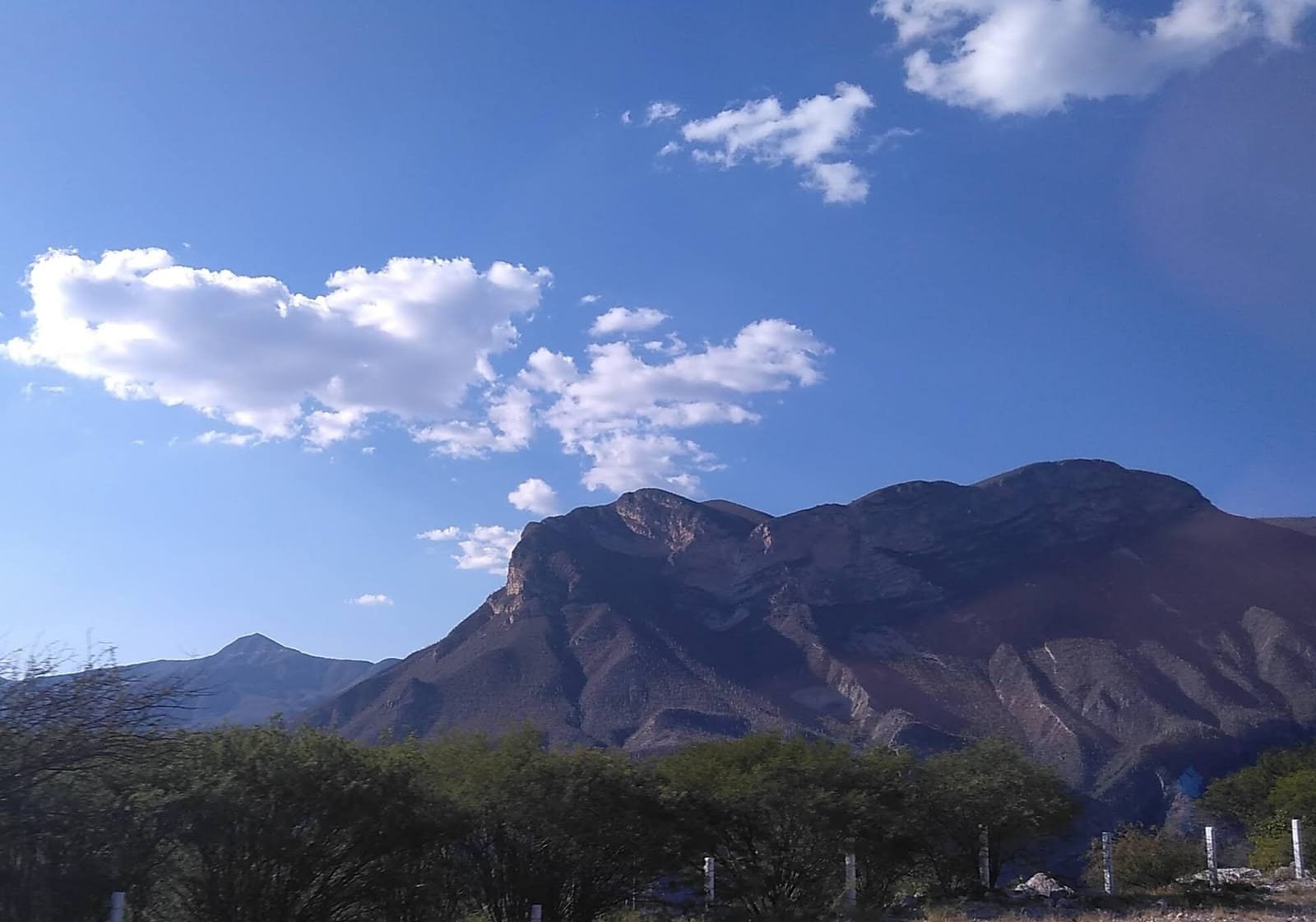
Mexico's other mushroom peoples
The Mazatec are famous, but the ethnomycological record counts sacred mushroom use among at least a dozen Indigenous Mexican peoples. A short guide to who they are — and why some have full pages here while others get only a line.
MushroomTribes editorial The Mushroom That Speaks
Across peoples with nothing in common — peoples who never met — the same uncanny thing is reported: those who eat these mushrooms are not only shown visions but spoken to. Something addresses them, names the illness, answers the unasked question, teaches. This is the experience at the centre of every mushroom tradition, and the question the whole archive turns around: why does the same encounter keep arriving?
MushroomTribes editorial