A tribe of our own
The Modern Revival
The rest of this archive documents cultures that met the mushroom over centuries. This section turns the same lens on the most recent one to do so: the modern West. Its popularizers and myths, its laboratories and laws, its retreats and its borrowed ceremonies — recorded here, on purpose, so they never overwrite the older traditions they drew from.

The West Discovers the Mushroom
In 1957 a banker's magazine article carried the Mazatec velada to millions of readers. Within a decade the sacred mushroom had a Western following, a counterculture, and a Harvard scandal — and Huautla de Jiménez had a tourism problem it never asked for.

Terence McKenna and the Stoned Ape
The most seductive idea in psychedelic culture: that psilocybin mushrooms drove the evolution of the human mind. It is a brilliant piece of storytelling by a brilliant storyteller — and it is not supported by the evidence.

The Clinical Renaissance
After decades of prohibition, psilocybin went back into the laboratory. From a 1962 chapel experiment to Phase 3 depression trials in the 2020s, this is the most rigorous — and most cautiously promising — chapter of the modern story.
The New Legal Map
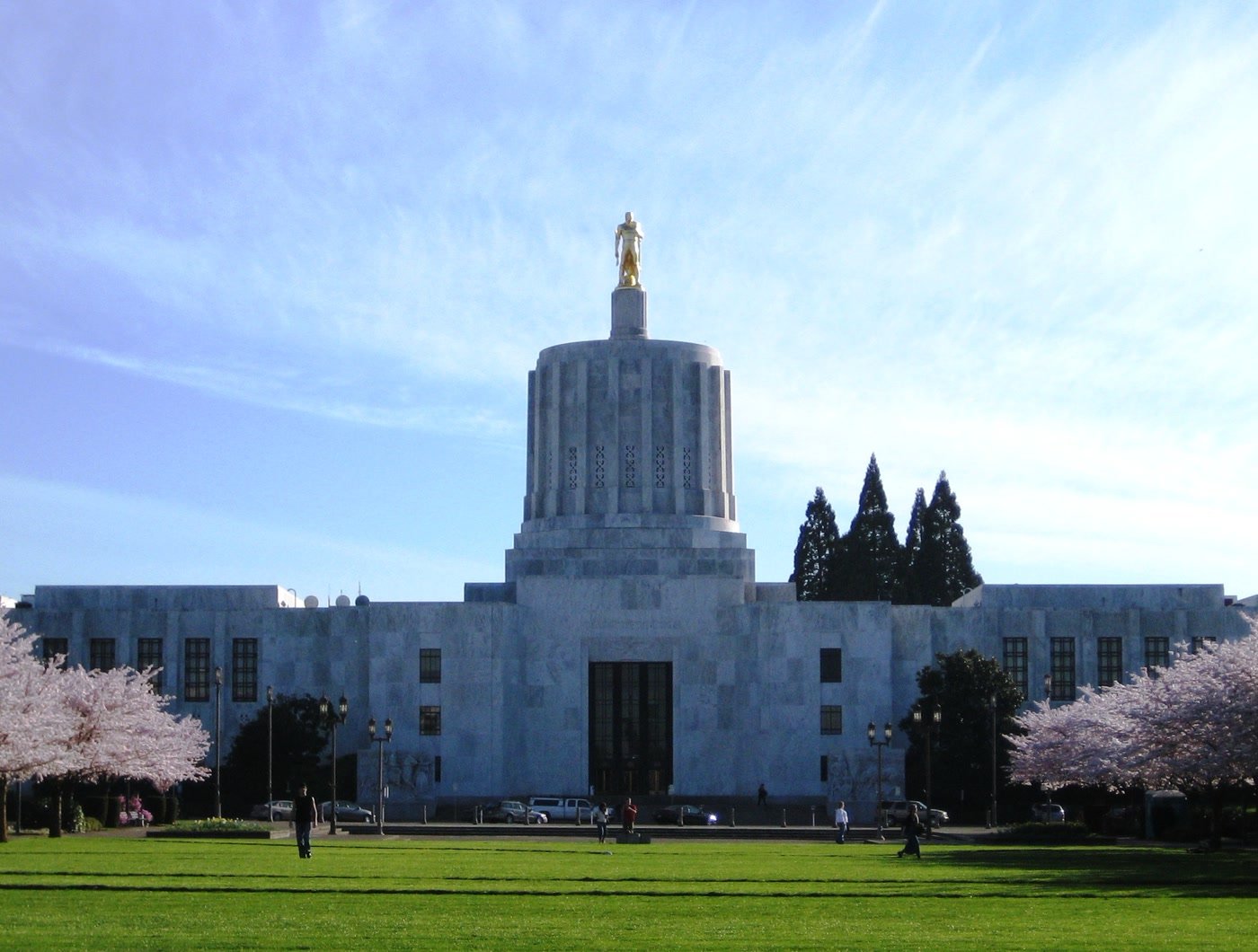
In a few short years, psilocybin went from uniformly illegal to a patchwork: decriminalised in some cities, regulated for supervised use in Oregon and Colorado, medically prescribable in Australia — and still federally prohibited in the United States.
Neo-Shamanism and the Retreat Economy
A global market now sells the mushroom ceremony back to the West: retreats, facilitators, and 'plant medicine' journeys. It brings real experiences to many people — and it raises hard, unresolved questions about who owns a tradition and who profits from it.