Essay ·
Mexico's other mushroom peoples
The Mazatec are famous, but the ethnomycological record counts sacred mushroom use among at least a dozen Indigenous Mexican peoples. A short guide to who they are — and why some have full pages here while others get only a line.
By MushroomTribes editorial
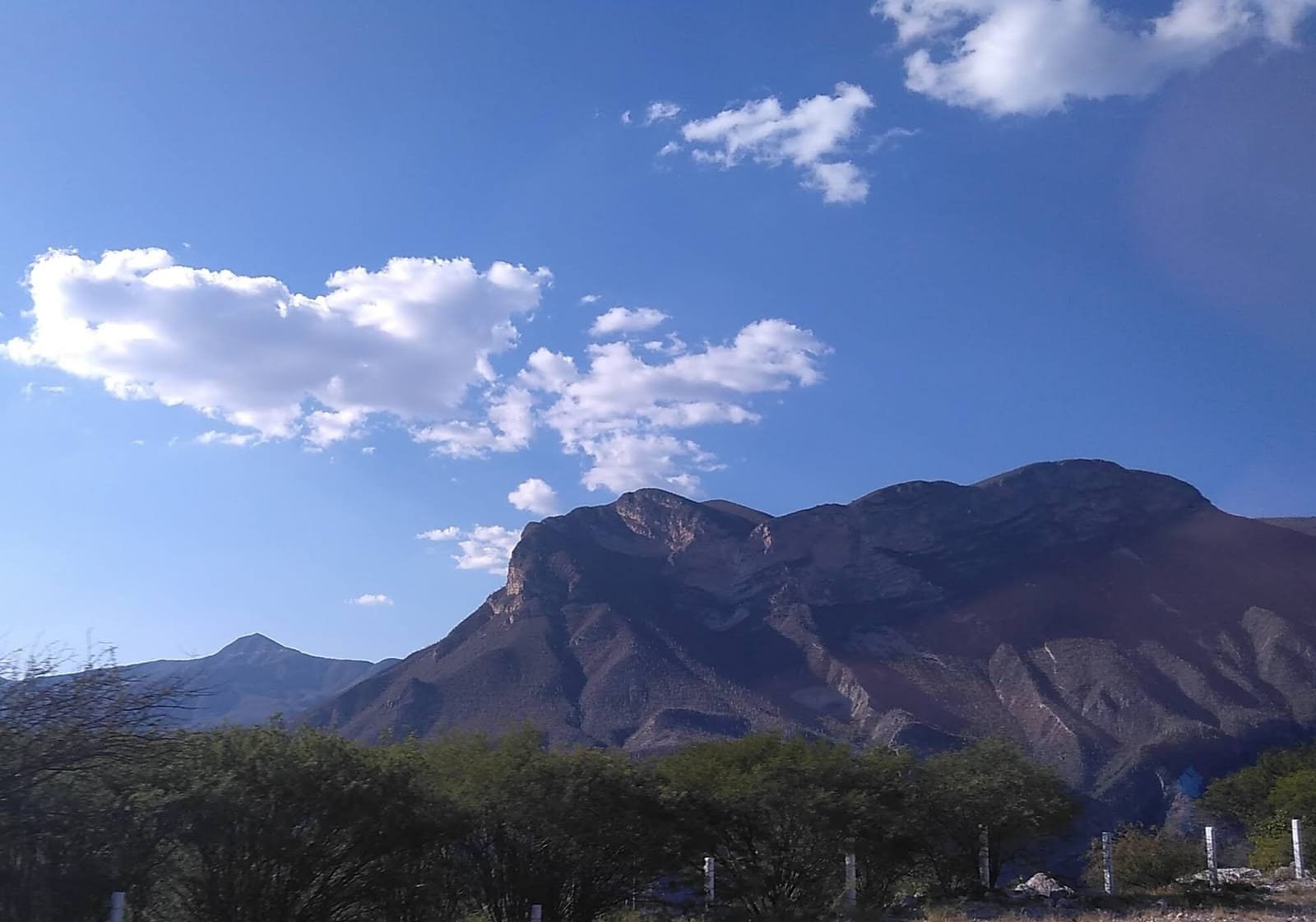
Beyond Huautla
Because María Sabina and the Mazatec became world-famous, it is easy to imagine that sacred mushroom use in Mexico is one tradition with one home. It is not. Gastón Guzmán’s surveys, built on decades of fieldwork, record it among at least eleven Indigenous peoples — a whole region of related but distinct practices.1
Who they are
This archive gives full pages to the best-documented: the Mazatec, Nahua, Zapotec, Mixtec, and Chinantec — and, more cautiously, where the record is thinner, the Mixe, Chatino, Matlatzinca, Totonac, Otomí, and now the Purépecha of Michoacán — a people of vast mushroom knowledge in whom the sacred use itself appears to have faded. Beyond them, the record thins to a line:
- Popoluca and Tepehua — appear in surveys, awaiting fieldwork.
- Others still — a name in the overviews, without dedicated study.
Why the difference
The gap between a full page and a single line is not a gap in the practices — it is a gap in the documentation. Some peoples drew the attention of a Schultes, a Guzmán, a Lipp, or a Rubel; others did not. Where the fieldwork is thin, this archive says so plainly rather than padding a slight record into a false richness. The map of Mexican mushroom traditions is far wider than its famous corner — and much of it is still waiting to be properly written down.
Footnotes
-
Gastón Guzmán, “Hallucinogenic Mushrooms in Mexico: An Overview” (2008); with Lipp (1991) on the Mixe and Rubel (1976) on the Chinantec. ↩
The record
Sources & further reading
Gastón Guzmán (2008). Hallucinogenic Mushrooms in Mexico: An Overview. Economic Botany 62(3).
Species-level overview; identifies P. caerulescens (Nahua teotlaquilnanácatl) among ceremonially used mushrooms and counts Indigenous peoples with recorded use.
Frank J. Lipp (1991). The Mixe of Oaxaca: Religion, Ritual, and Healing. University of Texas Press.
Ethnography of Mixe (Ayöök) religion and healing, including divinatory use of hallucinogenic mushrooms.
Arthur J. Rubel & Jean Gettelfinger-Krejci (1976). The Use of Hallucinogenic Mushrooms for Diagnostic Purposes among Some Highland Chinantecs. Economic Botany 30(3).
Describes diagnostic use of mushrooms identified as Psilocybe hoogshagenii among contemporary Chinantec healers.
Congreso de la Unión (current). Ley General de Salud (arts. 234, 245). Cámara de Diputados, Mexico.
Lists psilocybin and hallucinogenic mushrooms, including Psilocybe mexicana, as controlled substances.
Cristina Mapes et al. (1981). Etnomicología purépecha: el conocimiento y uso de los hongos en la cuenca del lago de Pátzcuaro, Michoacán. Dirección General de Culturas Populares / Sociedad Mexicana de Micología (Cuadernos de Etnobiología 2).
A dedicated study of Purépecha (Tarascan) mushroom knowledge in the Pátzcuaro basin — one of Mexico’s richest documented folk-mycologies, overwhelmingly culinary, in which the sacred/psychoactive dimension is far fainter than the everyday knowledge.
Editorial record
Corrections history
No corrections recorded yet. Spotted an error or a mischaracterisation? See how corrections work.
Last reviewed