The myth of the mushroom
Stories
Every strange, disputed, and unforgettable tale of humanity and the sacred mushroom — gathered in one place, told three ways.
Start here · the spine of the archive
The Mushroom That Speaks
Across peoples with nothing in common — peoples who never met — the same uncanny thing is reported: those who eat these mushrooms are not only shown visions but spoken to. Something addresses them, names the illness, answers the unasked question, teaches. This is the experience at the centre of every mushroom tradition, and the question the whole archive turns around: why does the same encounter keep arriving?
Read the pillar →Open questions
The mysteries that refuse to settle
Did the Maya carve mushroom gods? Was Soma the fly agaric? Which stories are real, which are possible, and which have simply been repeated until they felt true.
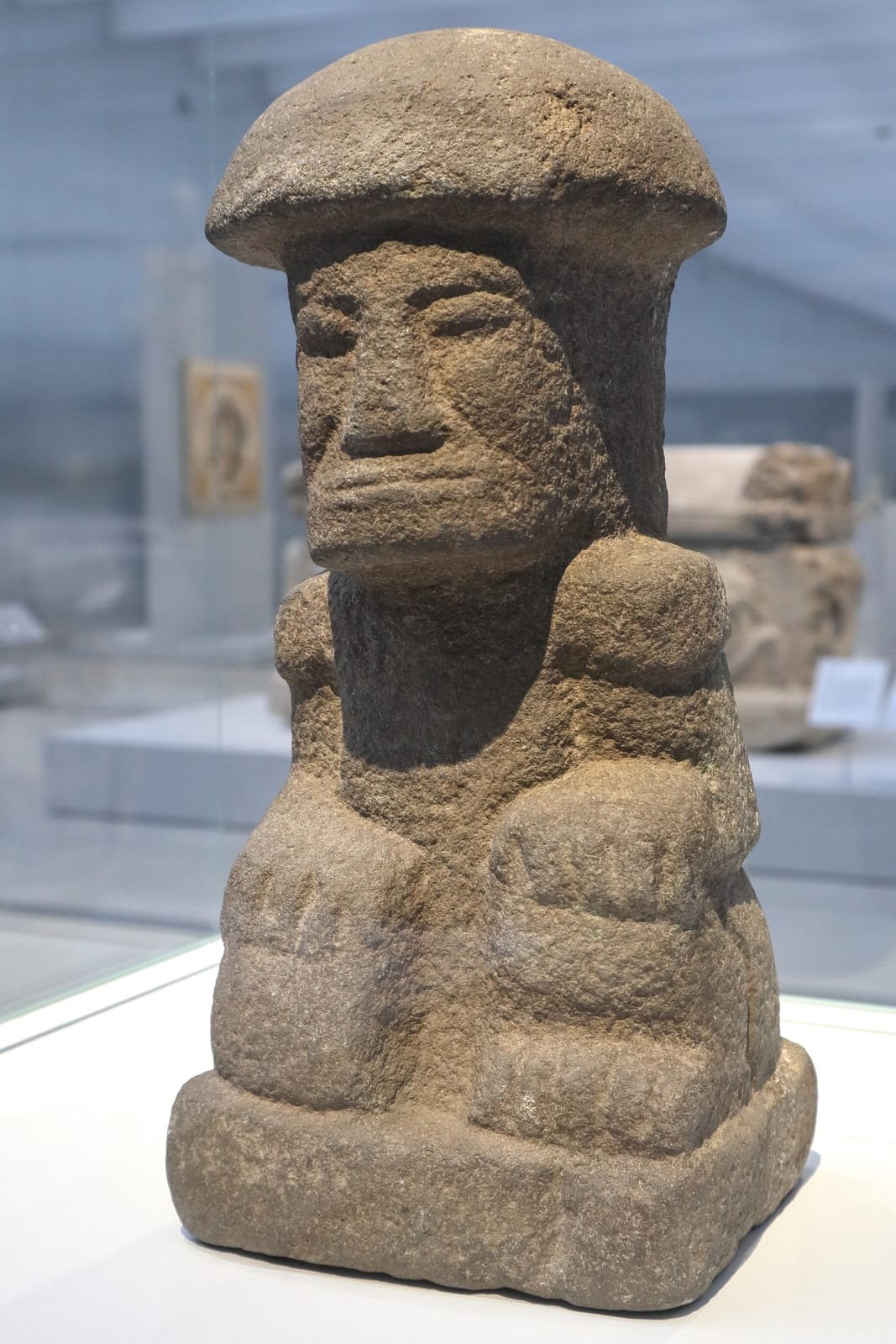
Did the ancient Maya ceremonially use sacred mushrooms?
Carved mushroom stones from Guatemala have led some scholars to propose a sacred mushroom complex. Others read the same objects as potters' moulds. No directly observed ceremony survives to settle the argument.
Standing — Unresolved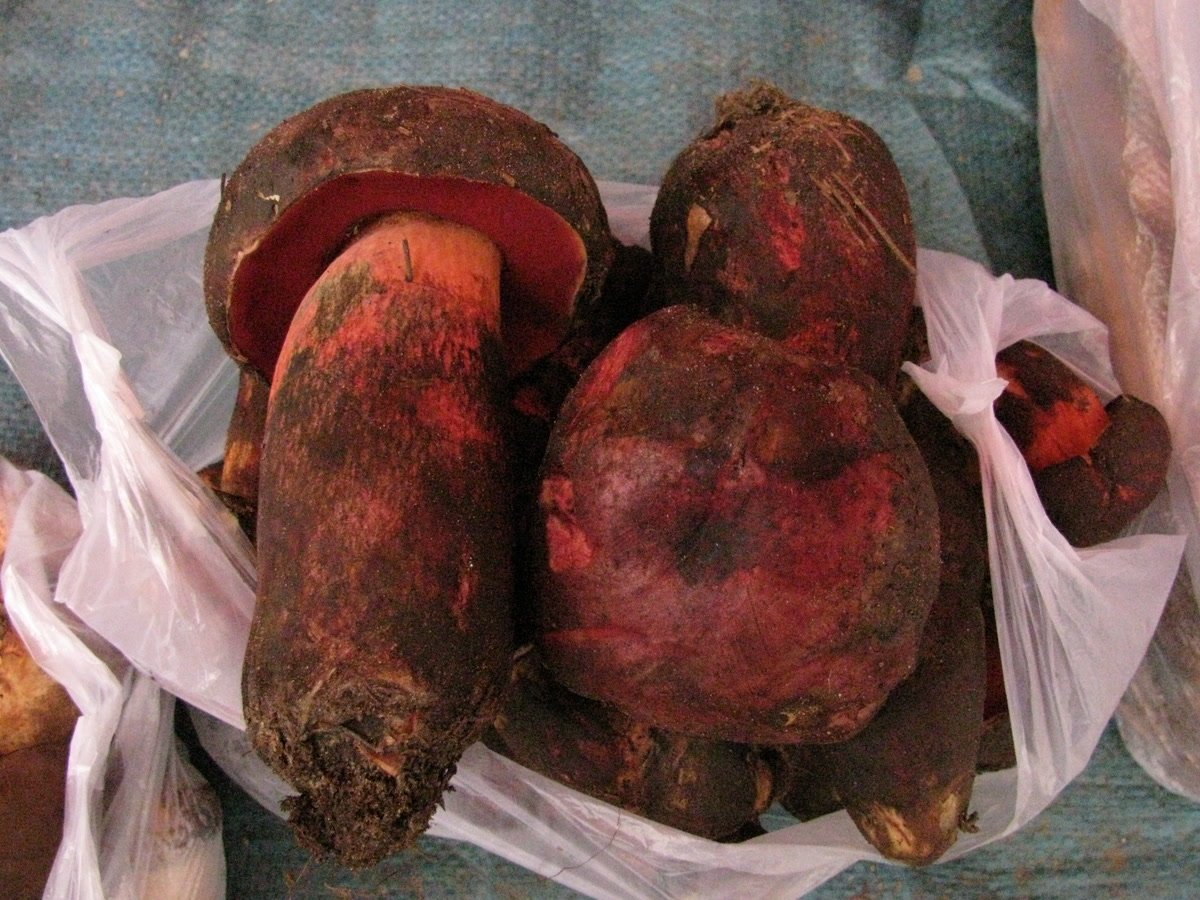
Does a single bolete really cause visions of tiny people — and if so, how?
Across Yunnan, Papua New Guinea, and the northern Philippines, people describe the same oddly specific vision — miniature humans — after eating certain blue-bruising boletes. The reports are real and strikingly consistent. The cause is not: no known hallucinogen has been found, and scholars disagree on whether the effect is chemical, toxic, or cultural.
Standing — UnresolvedDid the fly agaric inspire the size-changing mushroom in Alice's Adventures in Wonderland?
The 1960s recast Alice as a psychedelic trip. There is no evidence Carroll took anything at all — but there is a real, specific thread worth following: a Victorian mushroom book he could easily have read.
Standing — Unresolved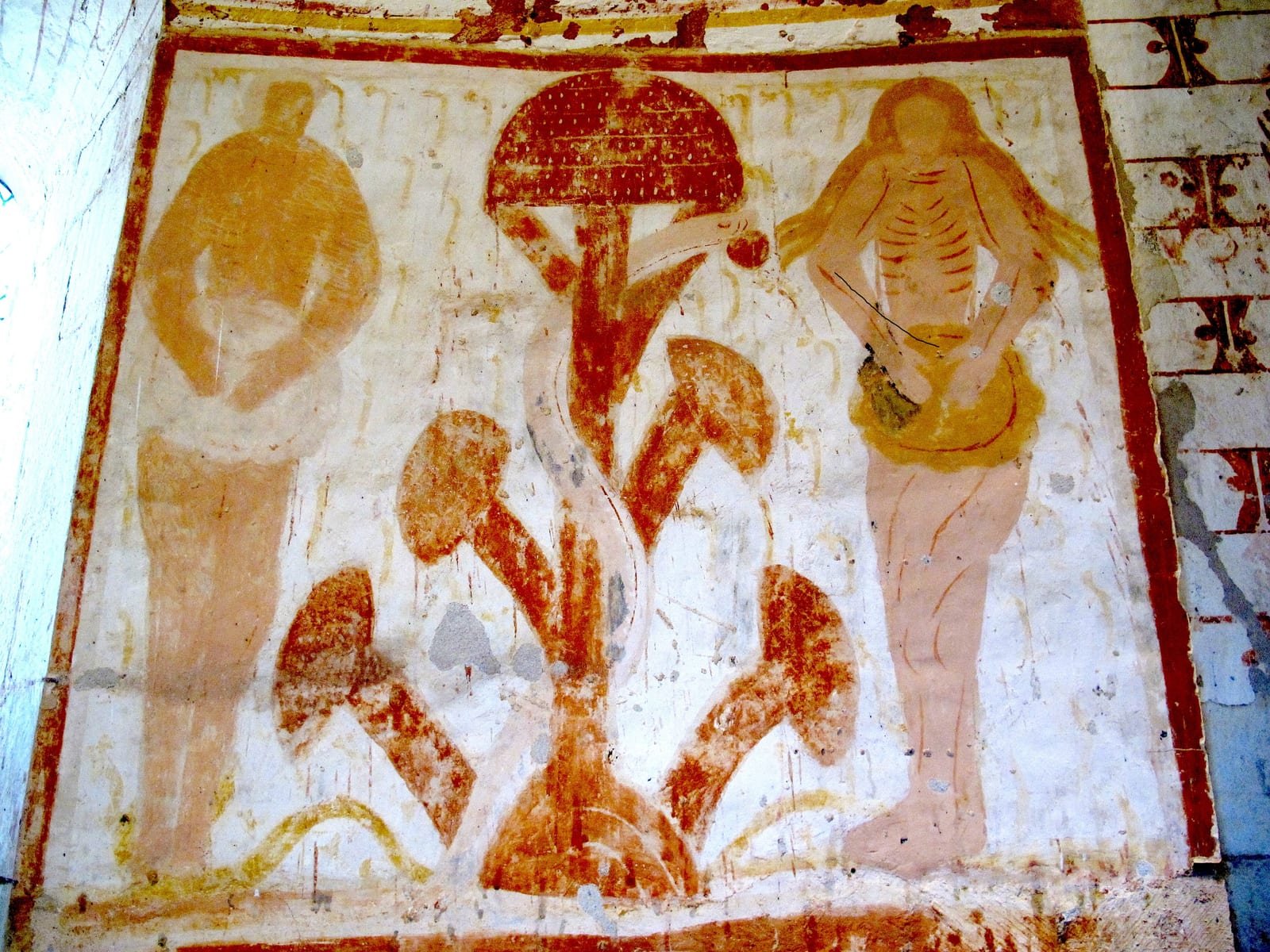
Did Christianity begin as a mushroom cult?
In 1970 the philologist John Allegro argued that Christianity grew out of a secret Amanita muscaria fertility cult, its rituals hidden in Gospel wordplay. The book ended his academic career and is rejected by mainstream scholarship.
Standing — Leans against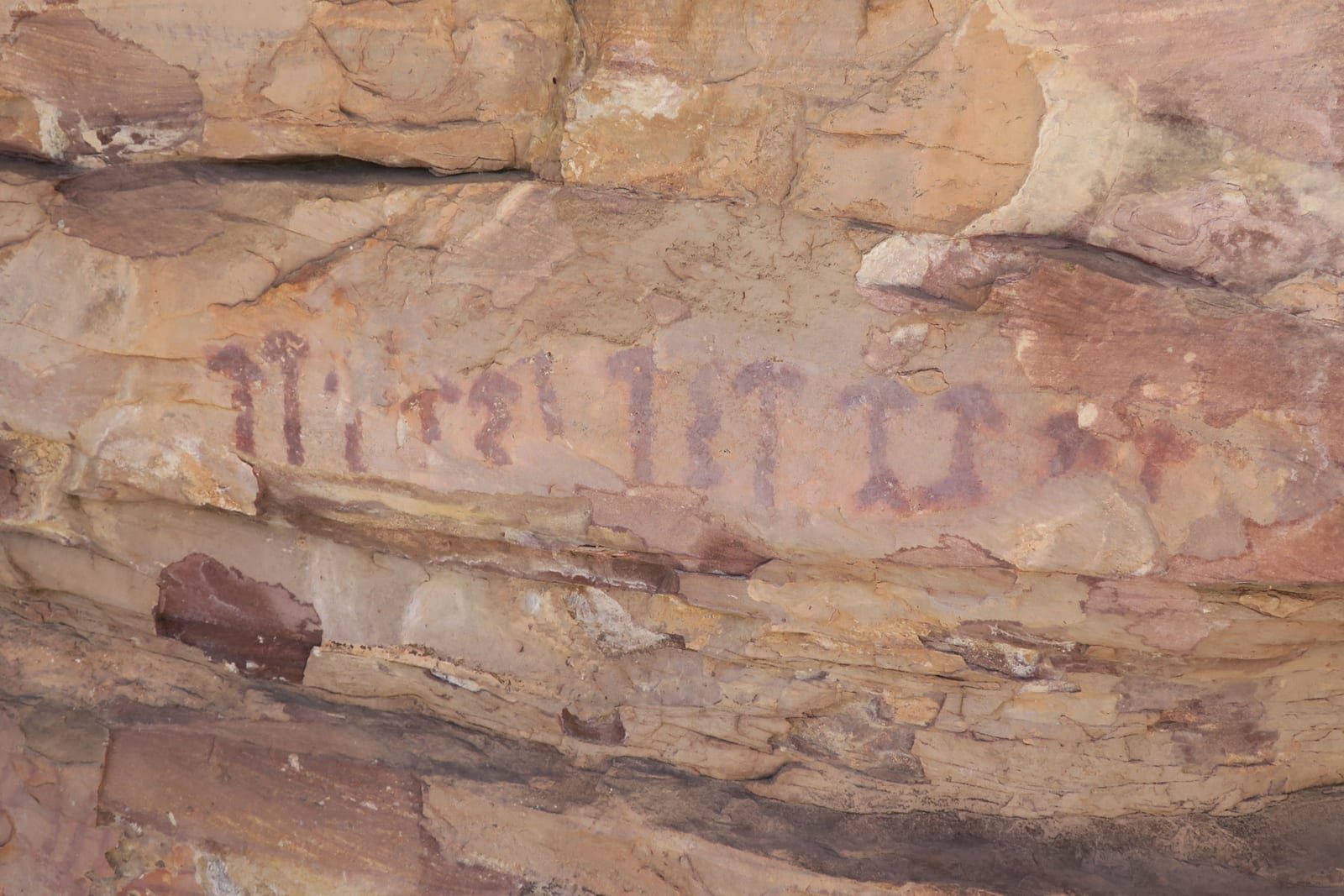
Did prehistoric Europeans use psychoactive mushrooms?
A few European sites — above all the Selva Pascuala mural in Spain — have been read as evidence of prehistoric mushroom use. The images are suggestive; the case is thin, and no material evidence corroborates them.
Standing — UnresolvedDid Santa Claus grow out of Siberian fly-agaric shamanism?
A much-shared story derives Father Christmas from the fly-agaric shamans of the Siberian north. The parallels are charming — and the direction of influence is almost certainly backwards. The modern Santa is a traceably recent invention.
Standing — Leans against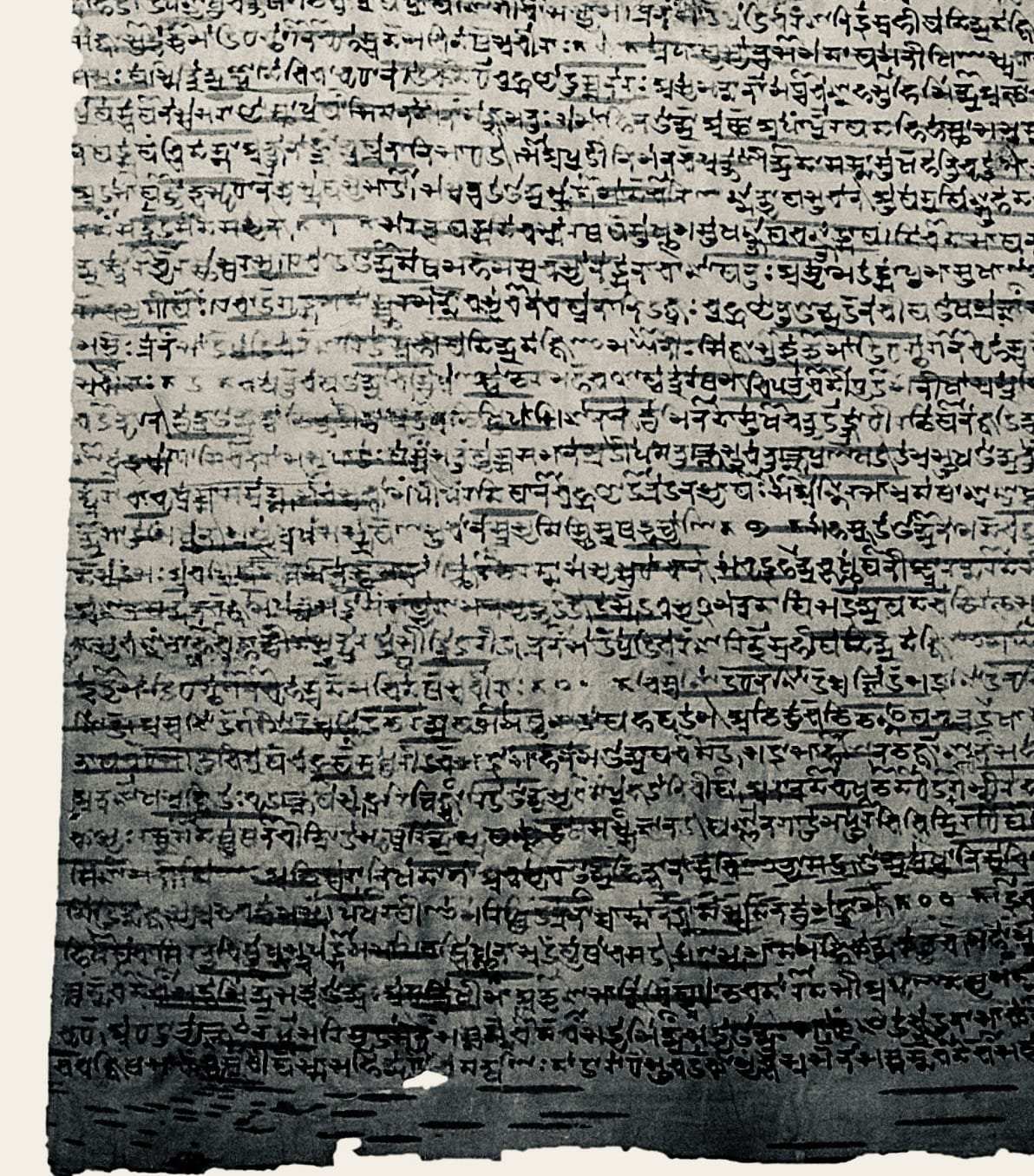
Was the Vedic Soma the fly agaric, Amanita muscaria?
R. Gordon Wasson's 1968 argument that Soma was the fly agaric is a landmark of speculative ethnomycology — influential, elegant, and still contested by scholars who read the same hymns very differently.
Standing — Unresolved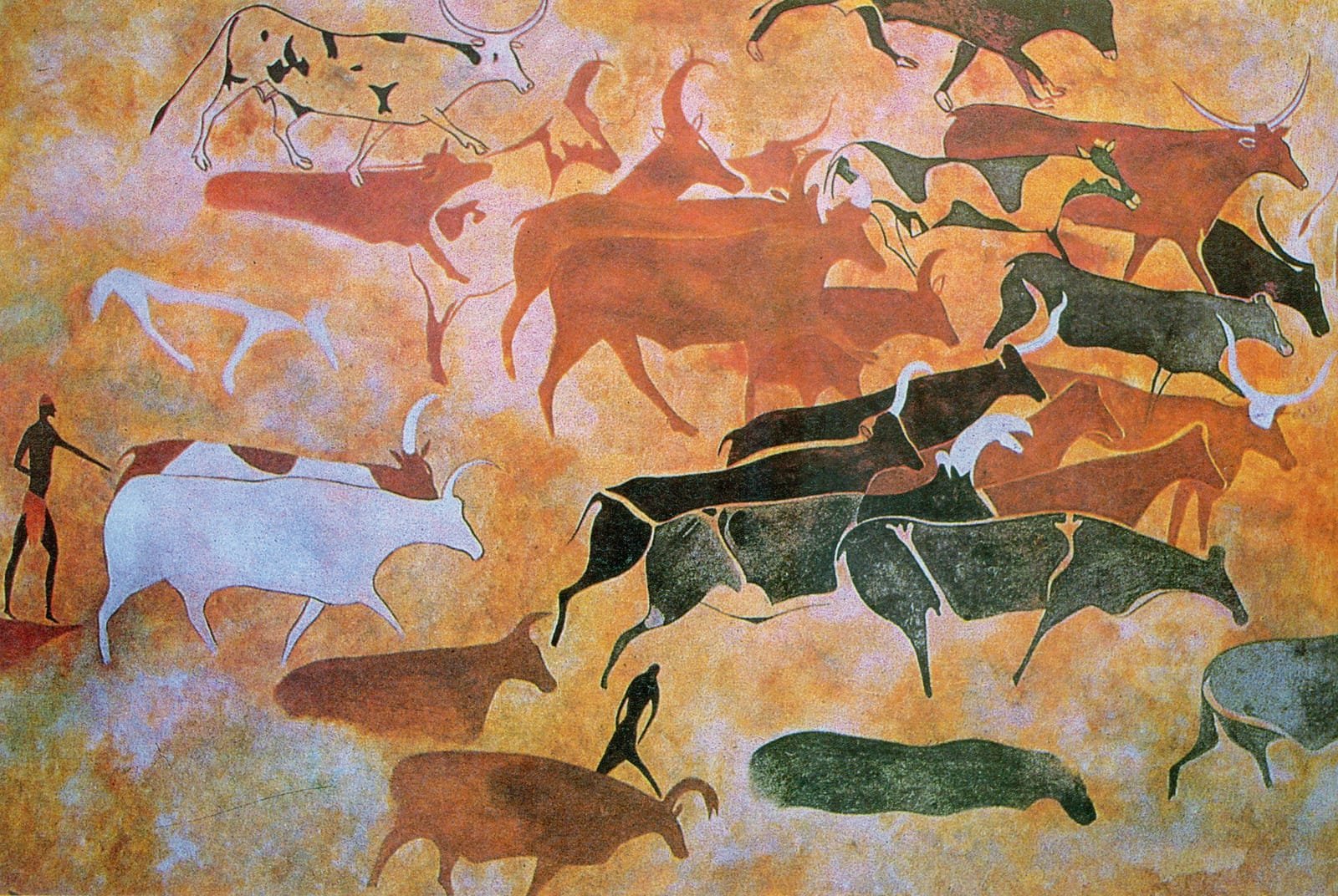
Do the Tassili n'Ajjer paintings depict psychoactive mushrooms?
A few Round Head figures have been read as holding mushrooms. The forms are ambiguous, the images are millennia old, and no thread connects them to any known practice.
Standing — Unresolved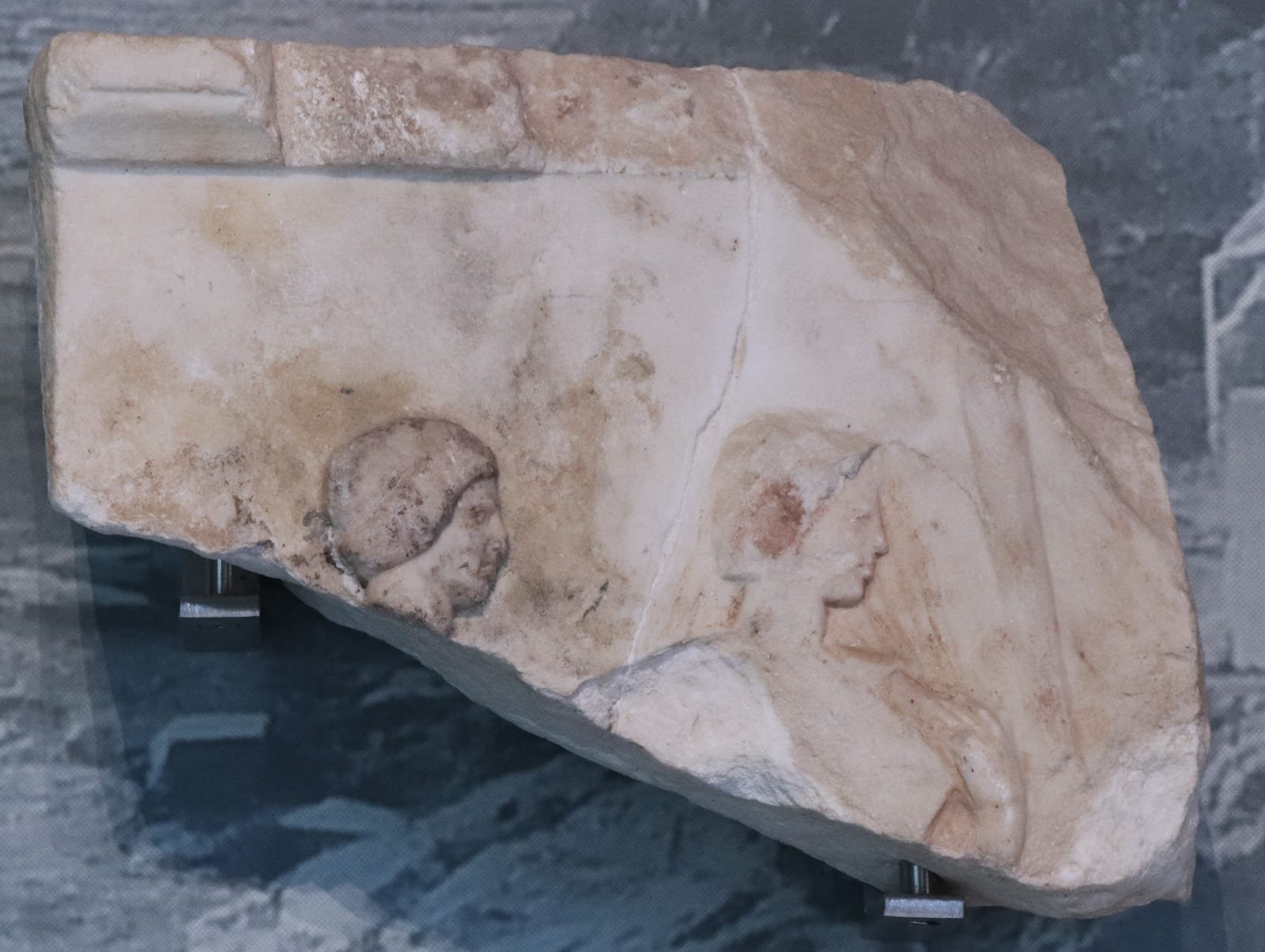
Was the sacred drink of the Eleusinian Mysteries psychedelic?
For nearly two thousand years, initiates at Eleusis drank a barley potion — the kykeon — and came away changed. Wasson, Hofmann, and Ruck proposed the drink was psychoactive, brewed from ergot. It is a serious idea, and an unproven one.
Standing — UnresolvedDispatches
Fresh from the field
New discoveries, forgotten archives, and the strange things surfacing right now in the world of sacred fungi.
Searching for Soma
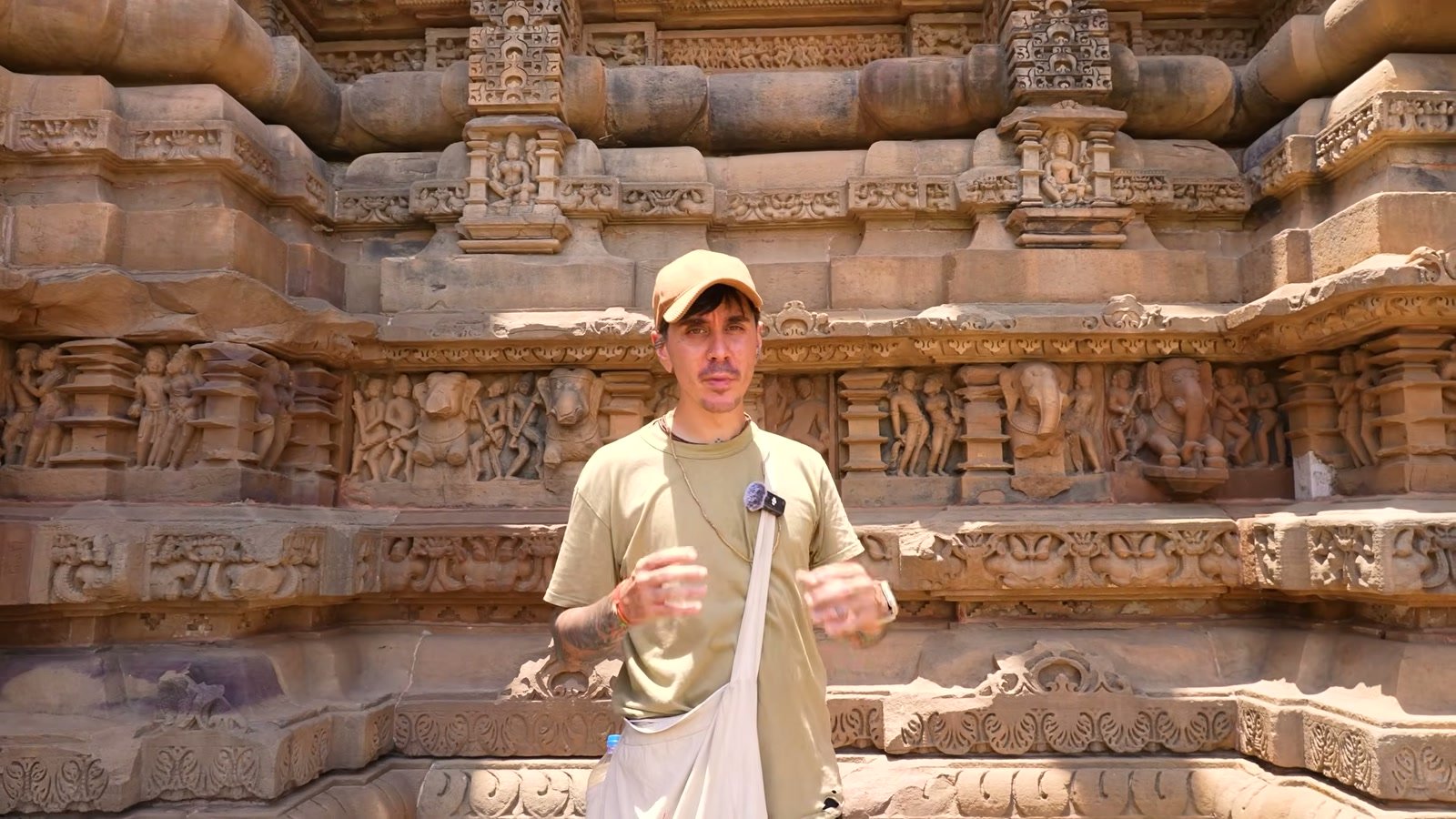
The Rigveda opens with a hymn not to a king or a god but to a substance — Soma, a plant pressed for a golden juice that granted visions of the divine, then vanished from history. I spent a season crossing India, from the stone mushrooms of Kerala to the tantric temples of Odisha, chasing the old theory that Soma was a psychedelic mushroom. This is what I found — and what I didn't.
Dakota Wint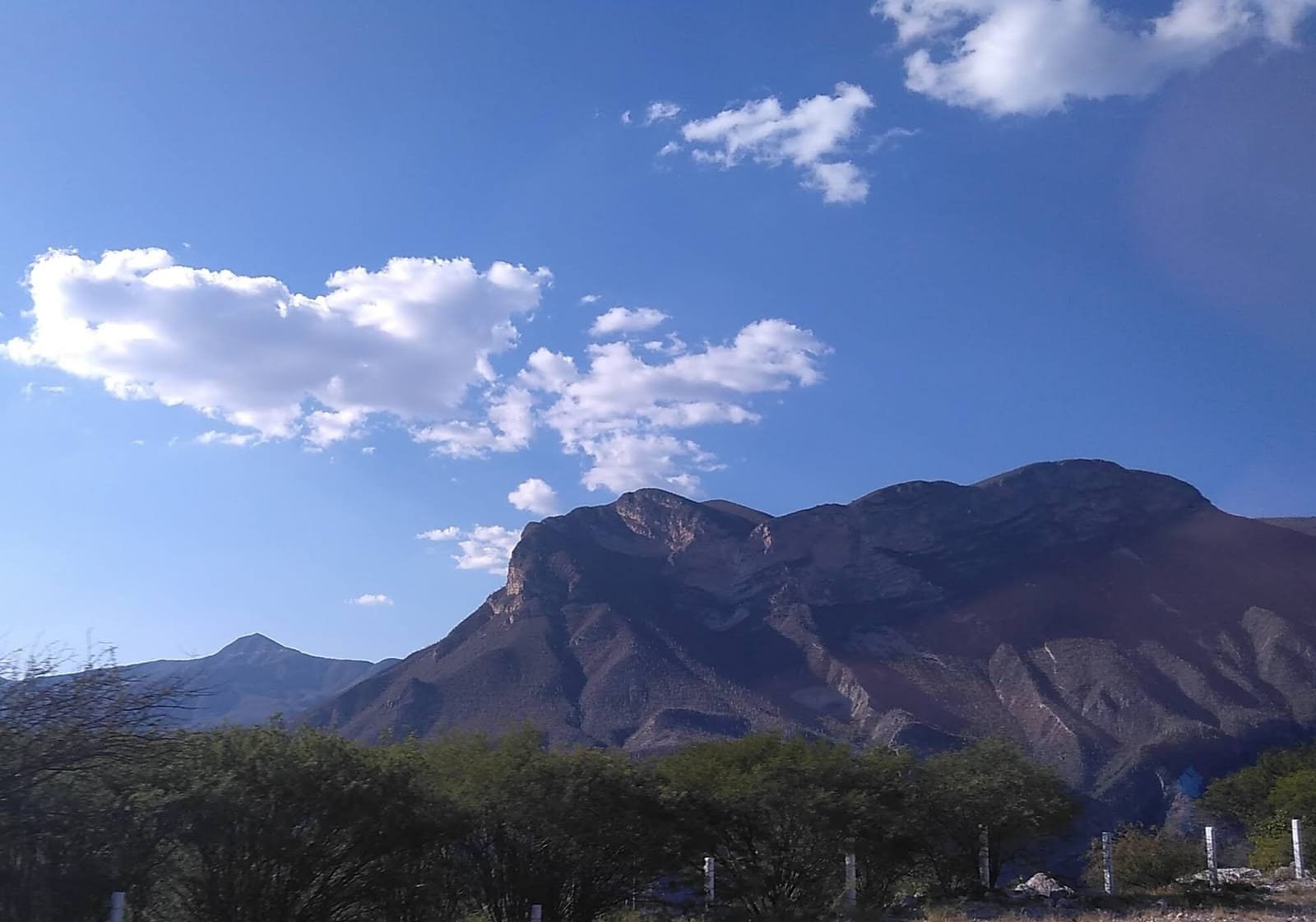
Mexico's other mushroom peoples
The Mazatec are famous, but the ethnomycological record counts sacred mushroom use among at least a dozen Indigenous Mexican peoples. A short guide to who they are — and why some have full pages here while others get only a line.
MushroomTribes editorial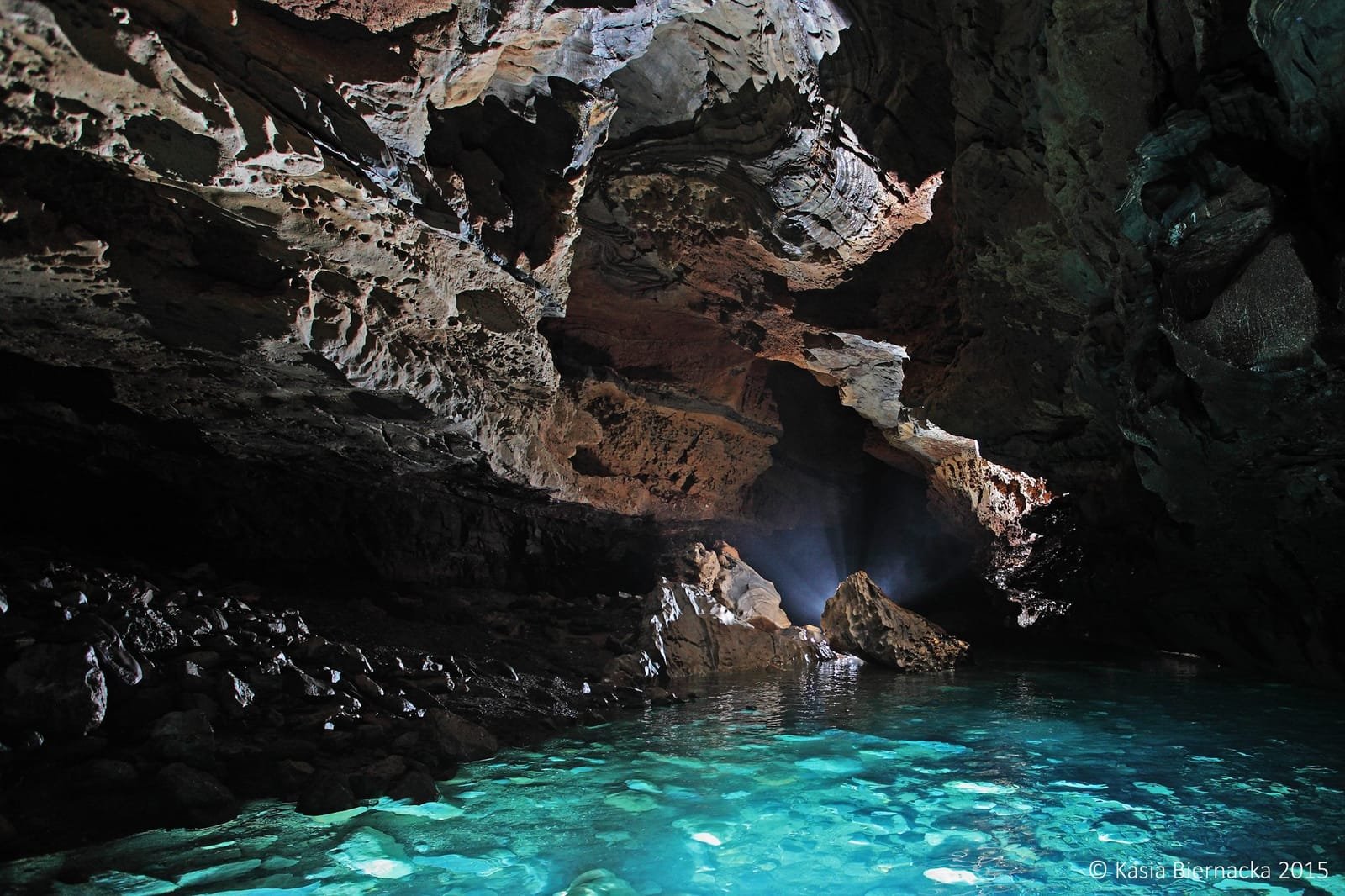
The Mushroom That Speaks
Across peoples with nothing in common — peoples who never met — the same uncanny thing is reported: those who eat these mushrooms are not only shown visions but spoken to. Something addresses them, names the illness, answers the unasked question, teaches. This is the experience at the centre of every mushroom tradition, and the question the whole archive turns around: why does the same encounter keep arriving?
MushroomTribes editorial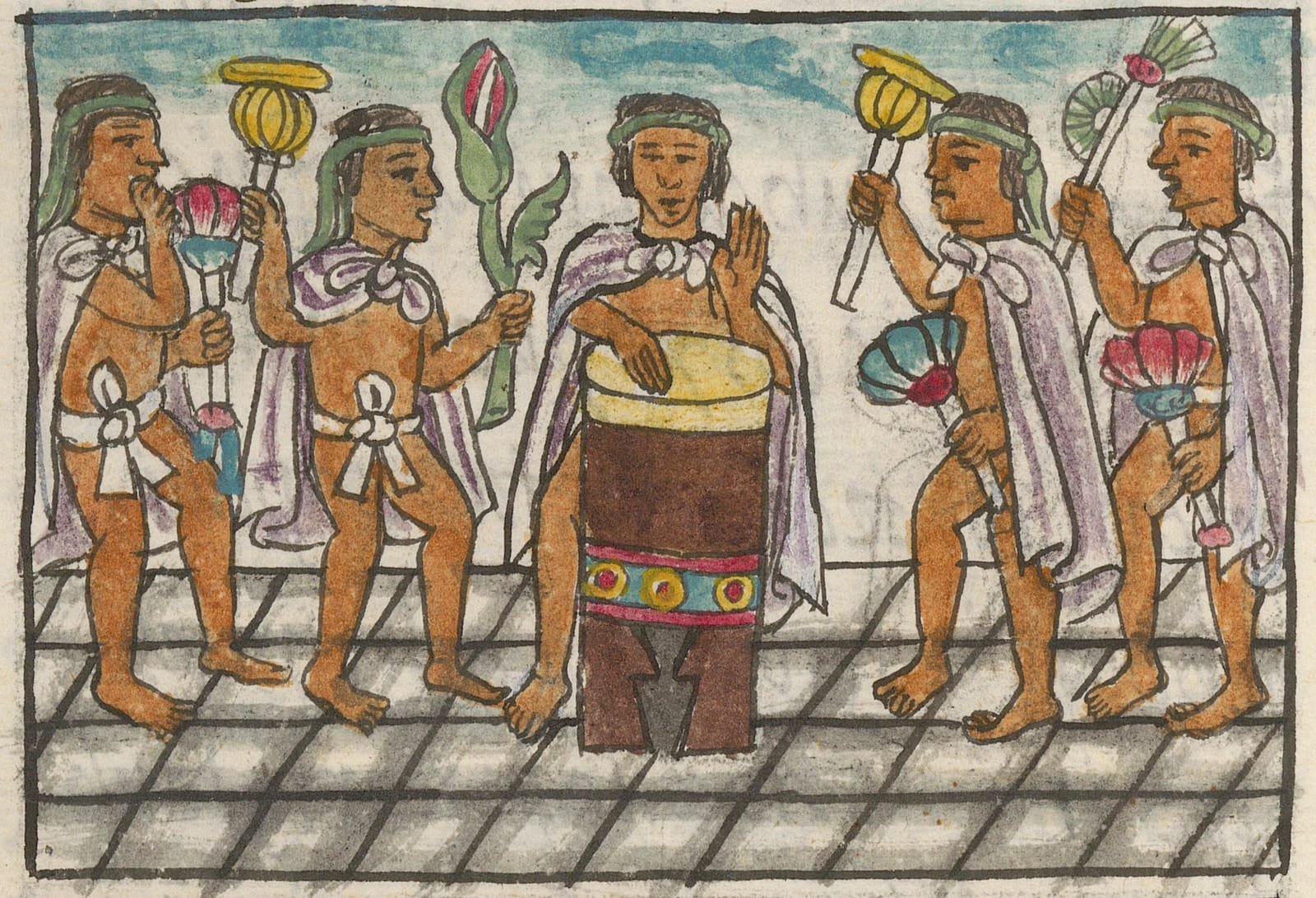
Teonanácatl: ‘flesh of the gods’?
The word behind the whole Mesoamerican story — what teonanácatl named, and why its famous translation is a scholarly choice rather than a settled fact.
MushroomTribes editorial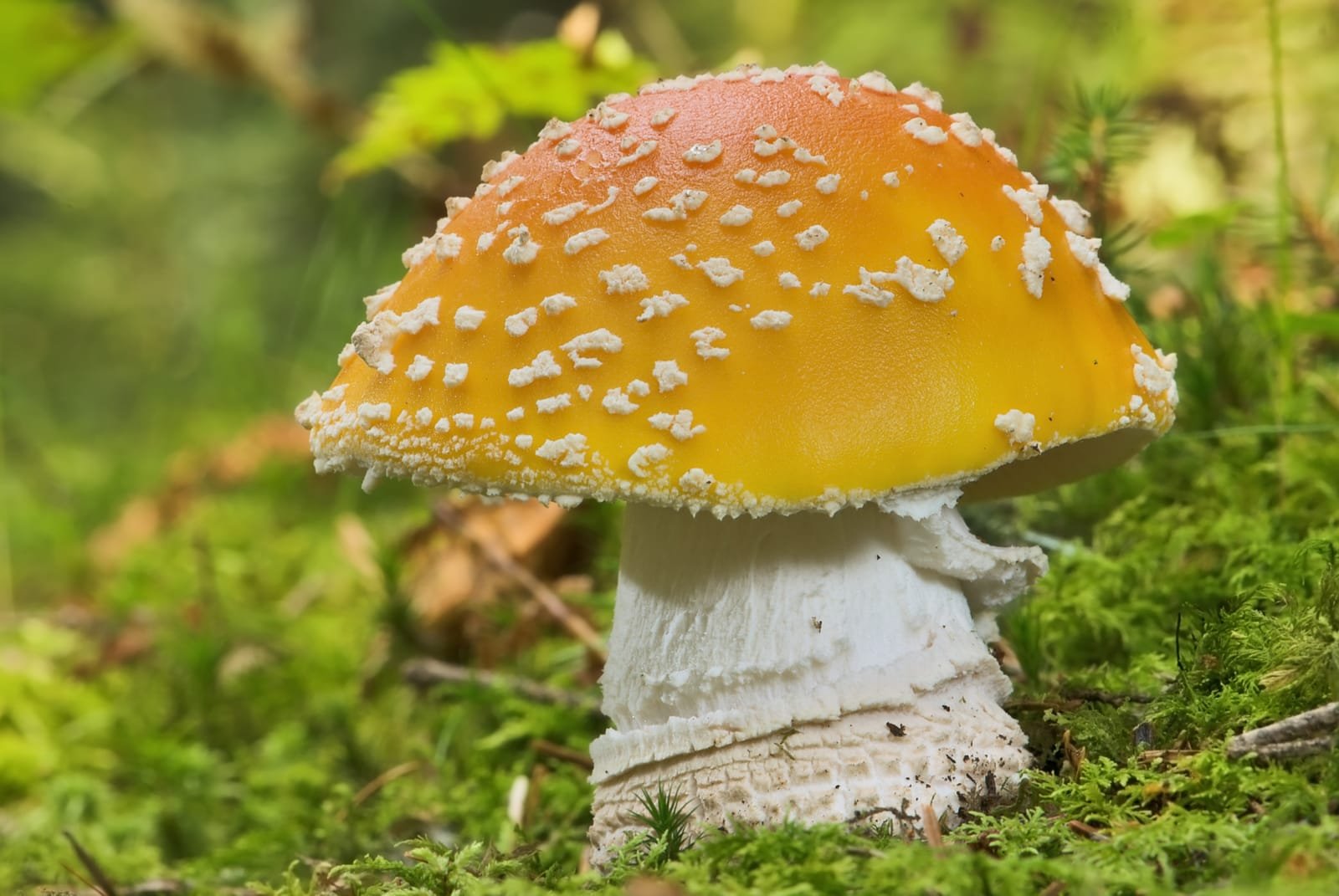
How the Mushroom Becomes Myth
Across every culture that has met it, the sacred mushroom does the same astonishing thing — it makes myth. A look at the recurring stories the fungus keeps generating, and why they refuse to die.
MushroomTribes editorial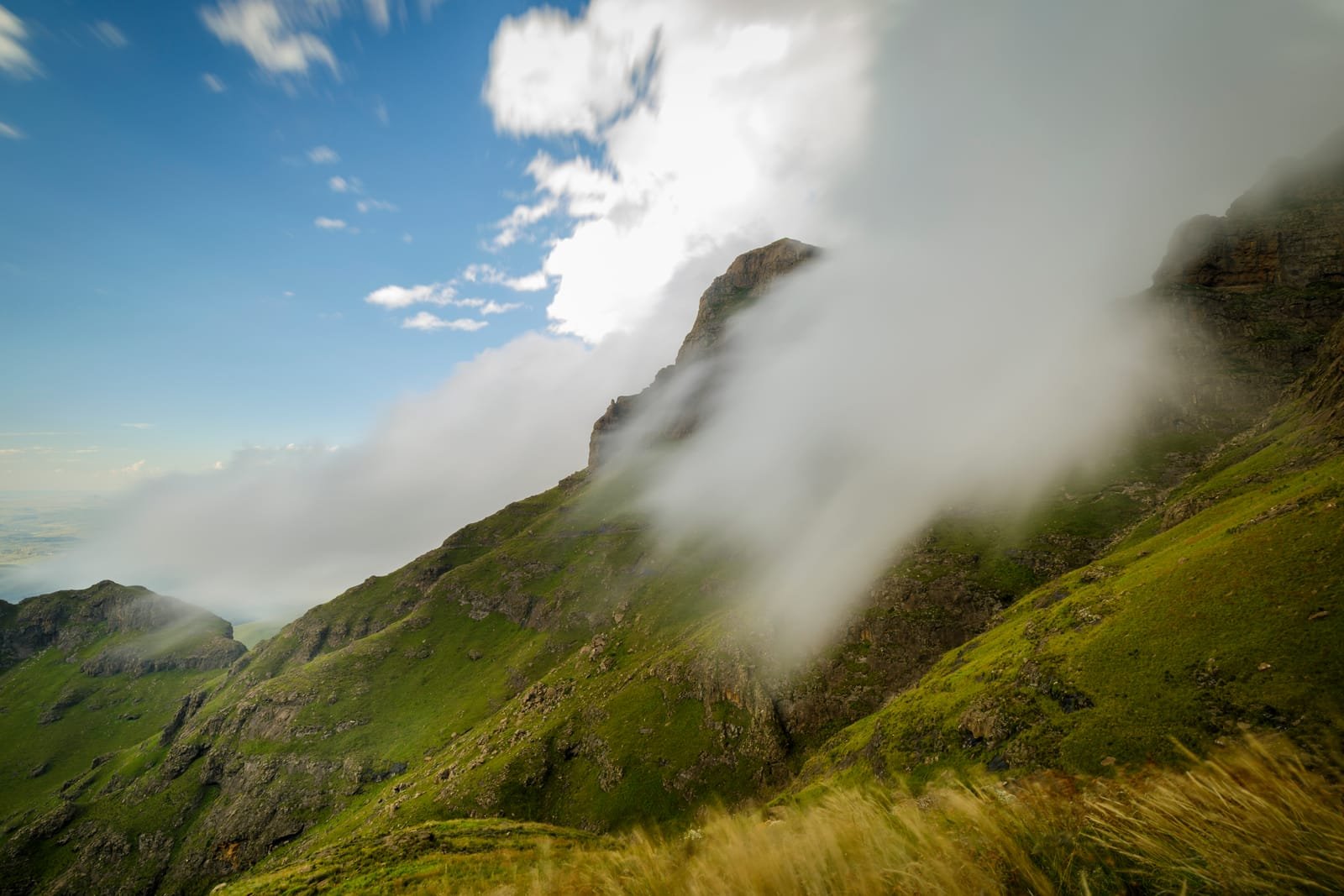
Newly documented: a psilocybin mushroom in the Maloti
A 2024 species description and a 2026 preprint have put southern Africa onto the map of documented ritual mushroom use. Here is what is actually new — and why we label it 'newly documented,' not 'newly discovered.'
MushroomTribes editorialThe West discovers the mushroom
How the modern myth got made
From a 1957 magazine article to the clinic, the courtroom, and the retreat — the newest culture to meet the mushroom is the modern West itself.

Terence McKenna and the Stoned Ape
The most seductive idea in psychedelic culture: that psilocybin mushrooms drove the evolution of the human mind. It is a brilliant piece of storytelling by a brilliant storyteller — and it is not supported by the evidence.

The West Discovers the Mushroom
In 1957 a banker's magazine article carried the Mazatec velada to millions of readers. Within a decade the sacred mushroom had a Western following, a counterculture, and a Harvard scandal — and Huautla de Jiménez had a tourism problem it never asked for.

The Clinical Renaissance
After decades of prohibition, psilocybin went back into the laboratory. From a 1962 chapel experiment to Phase 3 depression trials in the 2020s, this is the most rigorous — and most cautiously promising — chapter of the modern story.
The New Legal Map
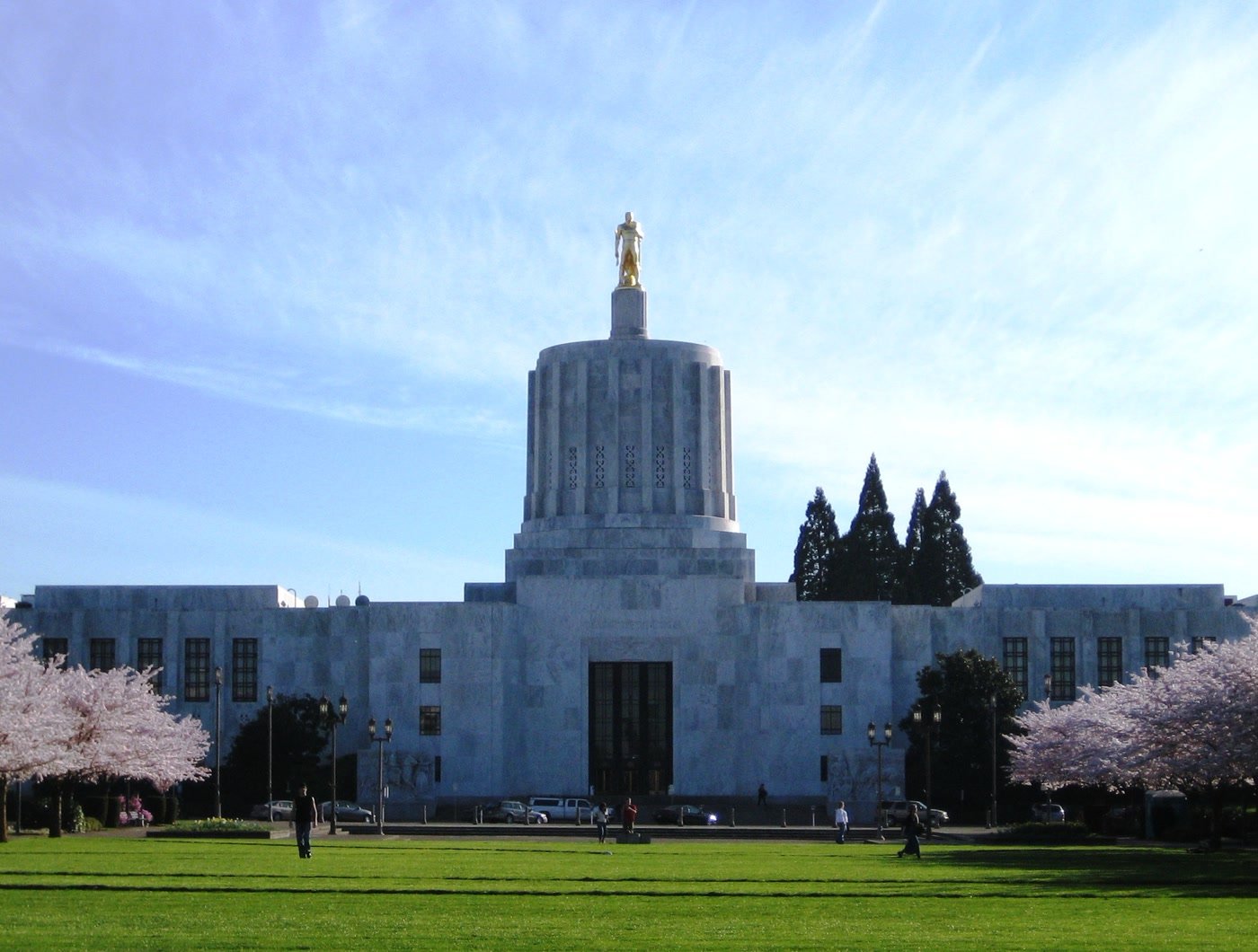
In a few short years, psilocybin went from uniformly illegal to a patchwork: decriminalised in some cities, regulated for supervised use in Oregon and Colorado, medically prescribable in Australia — and still federally prohibited in the United States.
Neo-Shamanism and the Retreat Economy
A global market now sells the mushroom ceremony back to the West: retreats, facilitators, and 'plant medicine' journeys. It brings real experiences to many people — and it raises hard, unresolved questions about who owns a tradition and who profits from it.