Evidence & debate
Was the sacred drink of the Eleusinian Mysteries psychedelic?
For nearly two thousand years, initiates at Eleusis drank a barley potion — the kykeon — and came away changed. Wasson, Hofmann, and Ruck proposed the drink was psychoactive, brewed from ergot. It is a serious idea, and an unproven one.
“Initiates at Eleusis drank an LSD-like ergot potion.”
Strongest case for
The Mysteries turned on a secret drink and a shared, overwhelming vision; initiates swore silence, so no recipe survives; and Wasson, Hofmann, and Ruck (1978) noted that ergot — which grows on barley — contains alkaloids related to those Hofmann used to make LSD.
Strongest case against
No ancient text names an intoxicant; ergot is also violently toxic and hard to detoxify reliably; the vision could have been produced by fasting, procession, darkness, and stagecraft; and the specific chemistry the theory needs is speculative for the period.
The claim
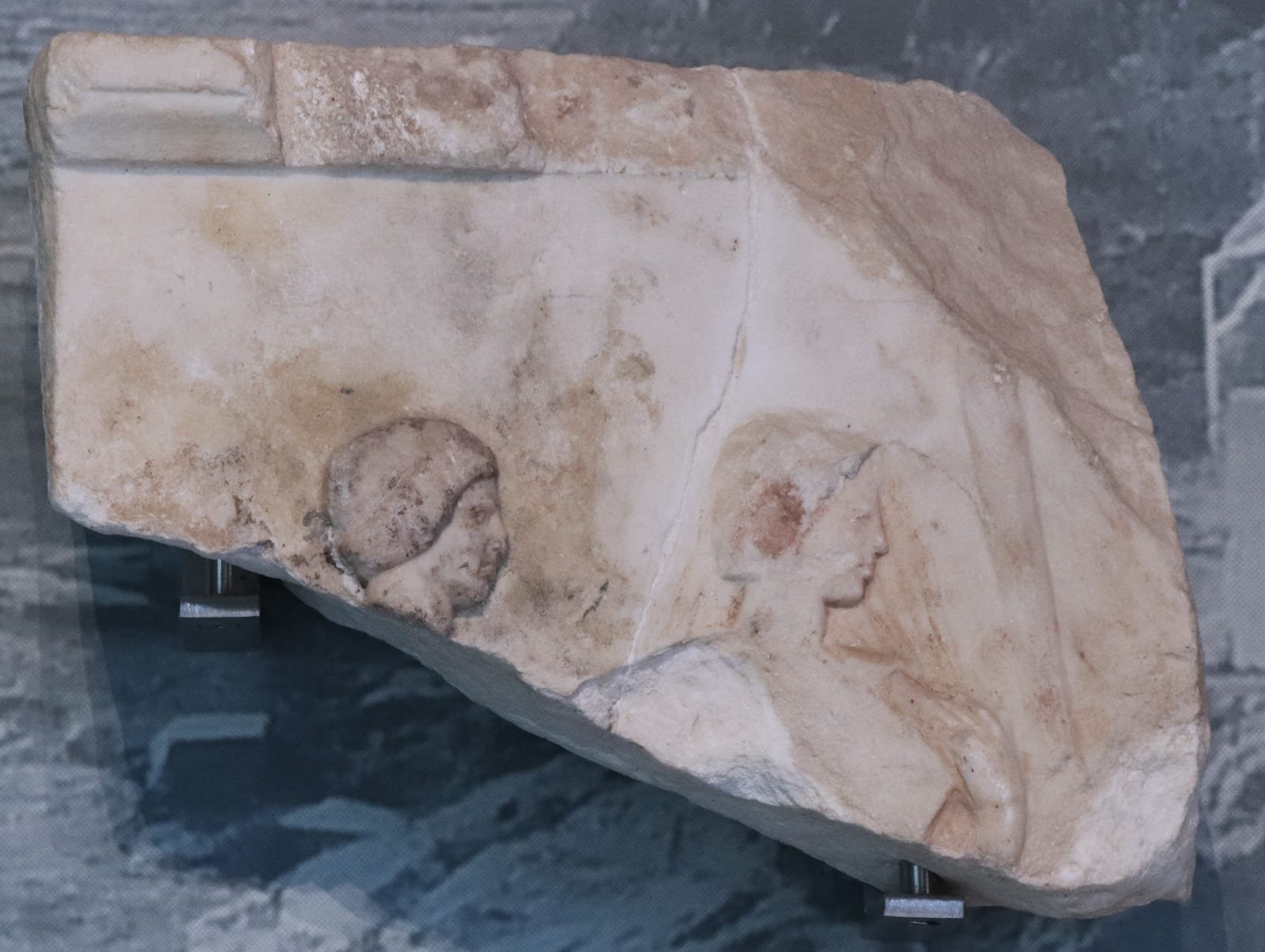
For close to two millennia, the sanctuary at Eleusis, near Athens, initiated thousands into its Mysteries. At the climax initiates drank the kykeon, a potion of barley and water, and reported a revelation so profound that Greek writers ranked it among the summits of a life. What the vision was, they were forbidden ever to say.
The case for
Because the secret held, no recipe survives — which leaves room for the boldest modern theory. In The Road to Eleusis (1978), R. Gordon Wasson, the chemist Albert Hofmann, and the classicist Carl Ruck argued that the kykeon was psychoactive, most plausibly a preparation of ergot (Claviceps), the grain fungus from whose alkaloids Hofmann had first made LSD. Barley and ergot grow together; a controlled dose, they proposed, could yield the Eleusinian vision.
The case against
The obstacles are large. No ancient source describes an intoxicating drink. Ergot is also a serious poison — the cause of medieval “St Anthony’s fire” — and reliably separating a visionary dose from a lethal one is not obviously within reach of ancient technique. And the vision may need no chemistry at all: days of fasting, a long night procession, darkness, and priestly staging can move people profoundly on their own.
Where it stands
The kykeon theory is the most respectable of the “lost psychedelic” arguments, and it is still unproven. Ergot is a fungus rather than a mushroom, and after two centuries of speculation the Mysteries have kept their secret.
The record
What remains uncertain
- The Mysteries were secret by design; the kykeon's contents are genuinely unknown.
- Ergot is a fungus but not a mushroom, and the safe preparation the theory requires is unproven for antiquity.
Sources & editorial record
Sources & further reading
R. Gordon Wasson et al. (1978). The Road to Eleusis: Unveiling the Secret of the Mysteries. Harcourt Brace Jovanovich.
The influential proposal that the Eleusinian kykeon was psychoactive — most likely an ergot (Claviceps) preparation. Serious, and unproven.
Andy Letcher (2006). Shroom: A Cultural History of the Magic Mushroom. Faber & Faber.
A critical cultural history that deflates several popular entheogenic myths — useful precisely where it disagrees with the psychedelic canon.
Editorial record
Corrections history
No corrections recorded yet. Spotted an error or a mischaracterisation? See how corrections work.
Last reviewed