Where the evidence is contested
Evidence & Debates
Some of the most repeated stories in psychedelic history are also the least settled. Each one here lays out the strongest case on both sides, and where the evidence actually stands.
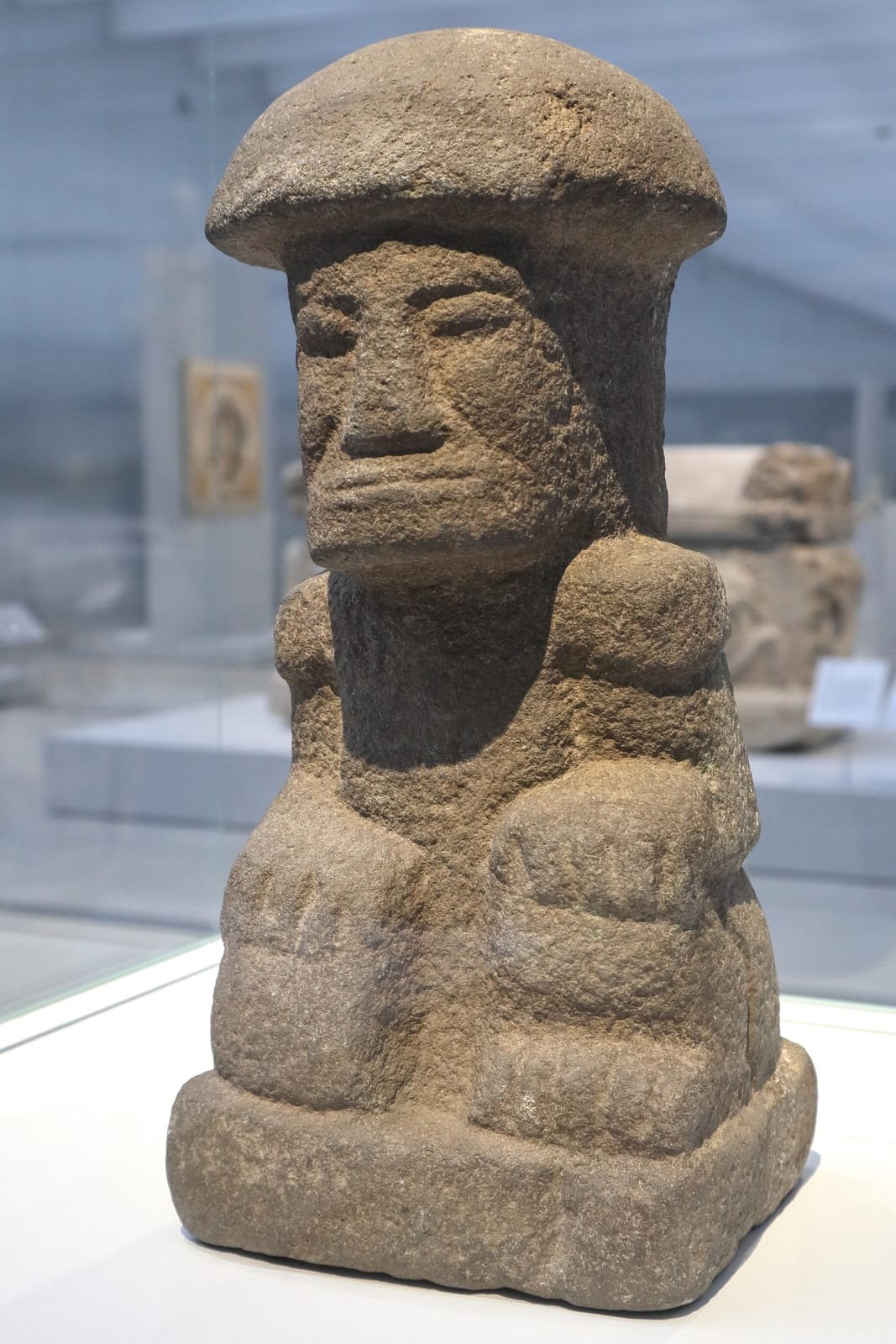
Did the ancient Maya ceremonially use sacred mushrooms?
Carved mushroom stones from Guatemala have led some scholars to propose a sacred mushroom complex. Others read the same objects as potters' moulds. No directly observed ceremony survives to settle the argument.
Standing — Unresolved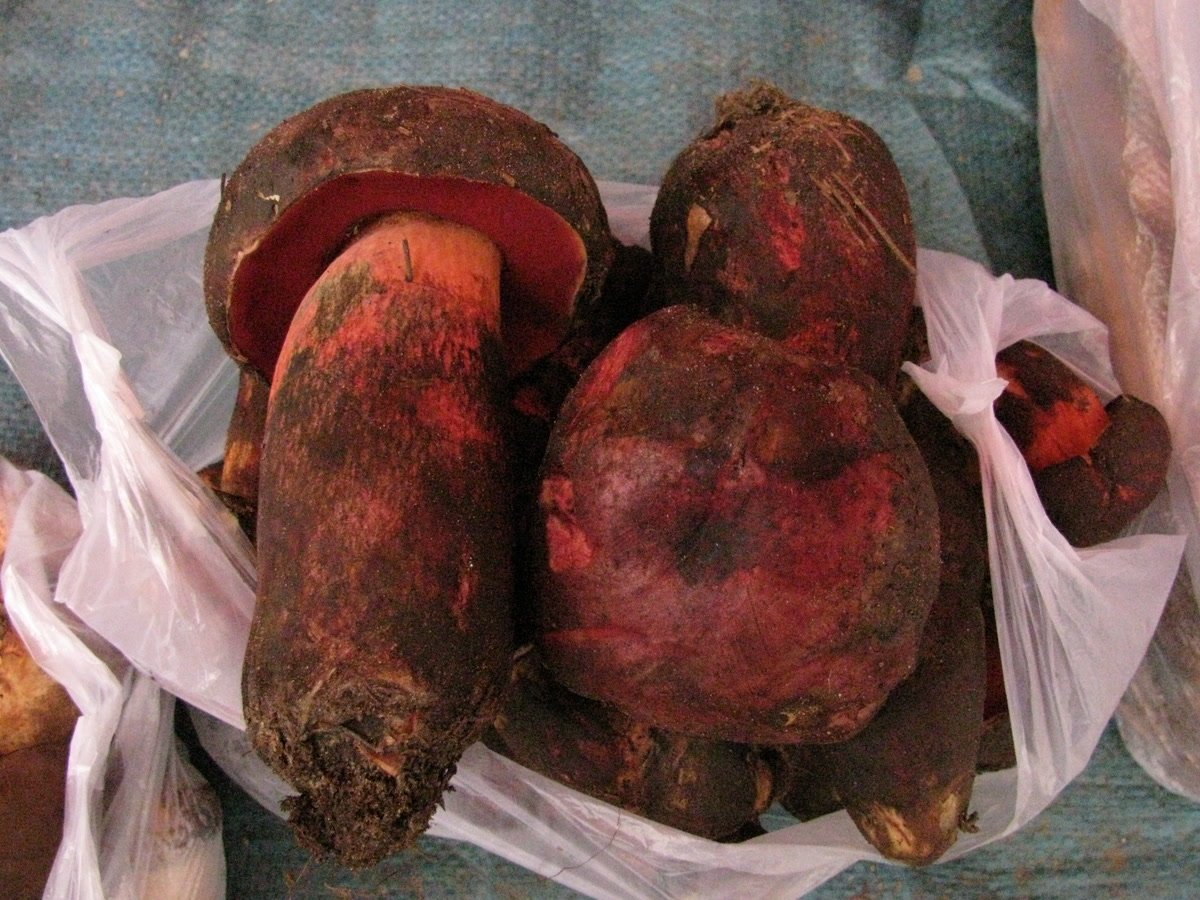
Does a single bolete really cause visions of tiny people — and if so, how?
Across Yunnan, Papua New Guinea, and the northern Philippines, people describe the same oddly specific vision — miniature humans — after eating certain blue-bruising boletes. The reports are real and strikingly consistent. The cause is not: no known hallucinogen has been found, and scholars disagree on whether the effect is chemical, toxic, or cultural.
Standing — UnresolvedDid the fly agaric inspire the size-changing mushroom in Alice's Adventures in Wonderland?
The 1960s recast Alice as a psychedelic trip. There is no evidence Carroll took anything at all — but there is a real, specific thread worth following: a Victorian mushroom book he could easily have read.
Standing — Unresolved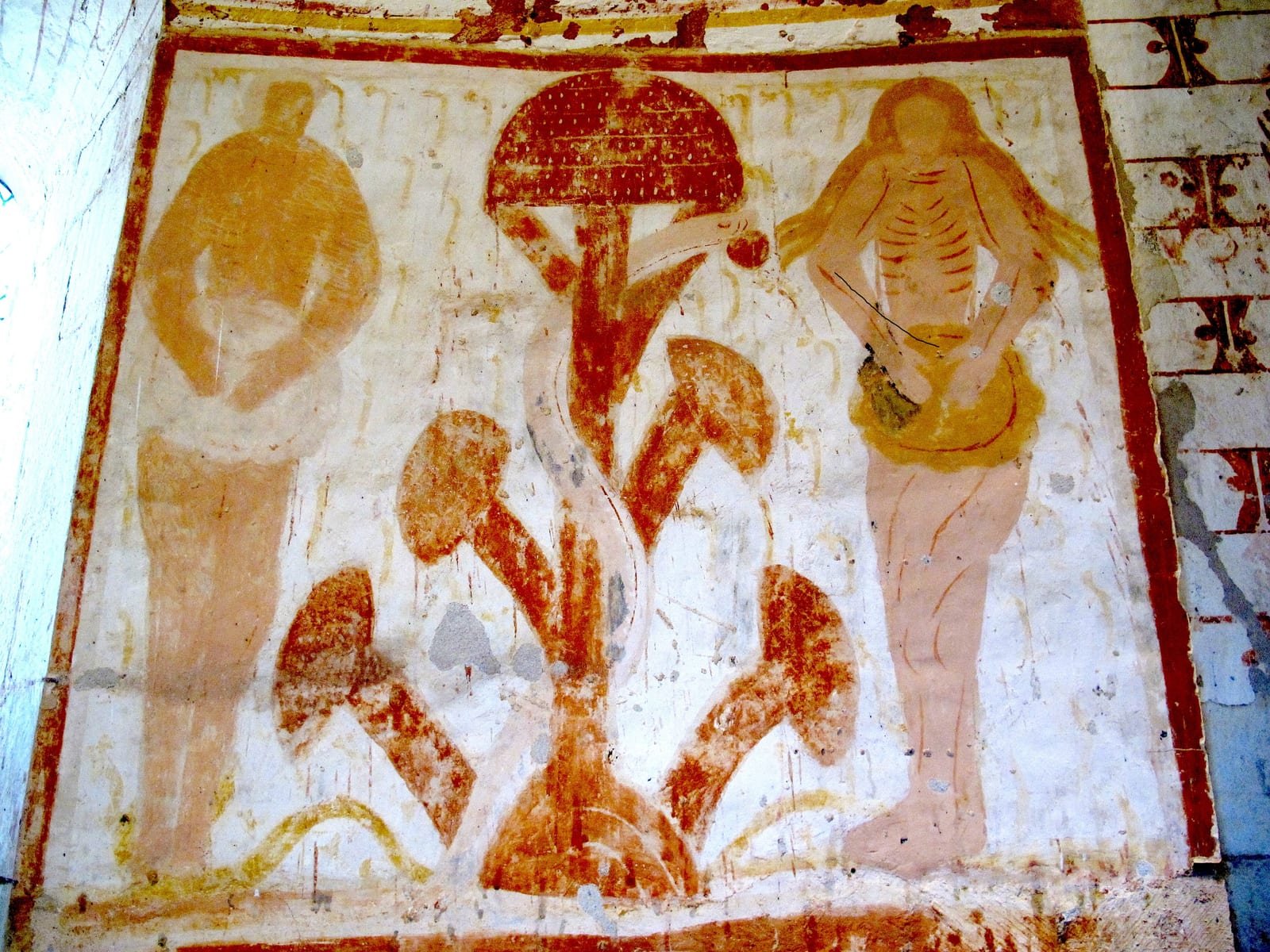
Did Christianity begin as a mushroom cult?
In 1970 the philologist John Allegro argued that Christianity grew out of a secret Amanita muscaria fertility cult, its rituals hidden in Gospel wordplay. The book ended his academic career and is rejected by mainstream scholarship.
Standing — Leans against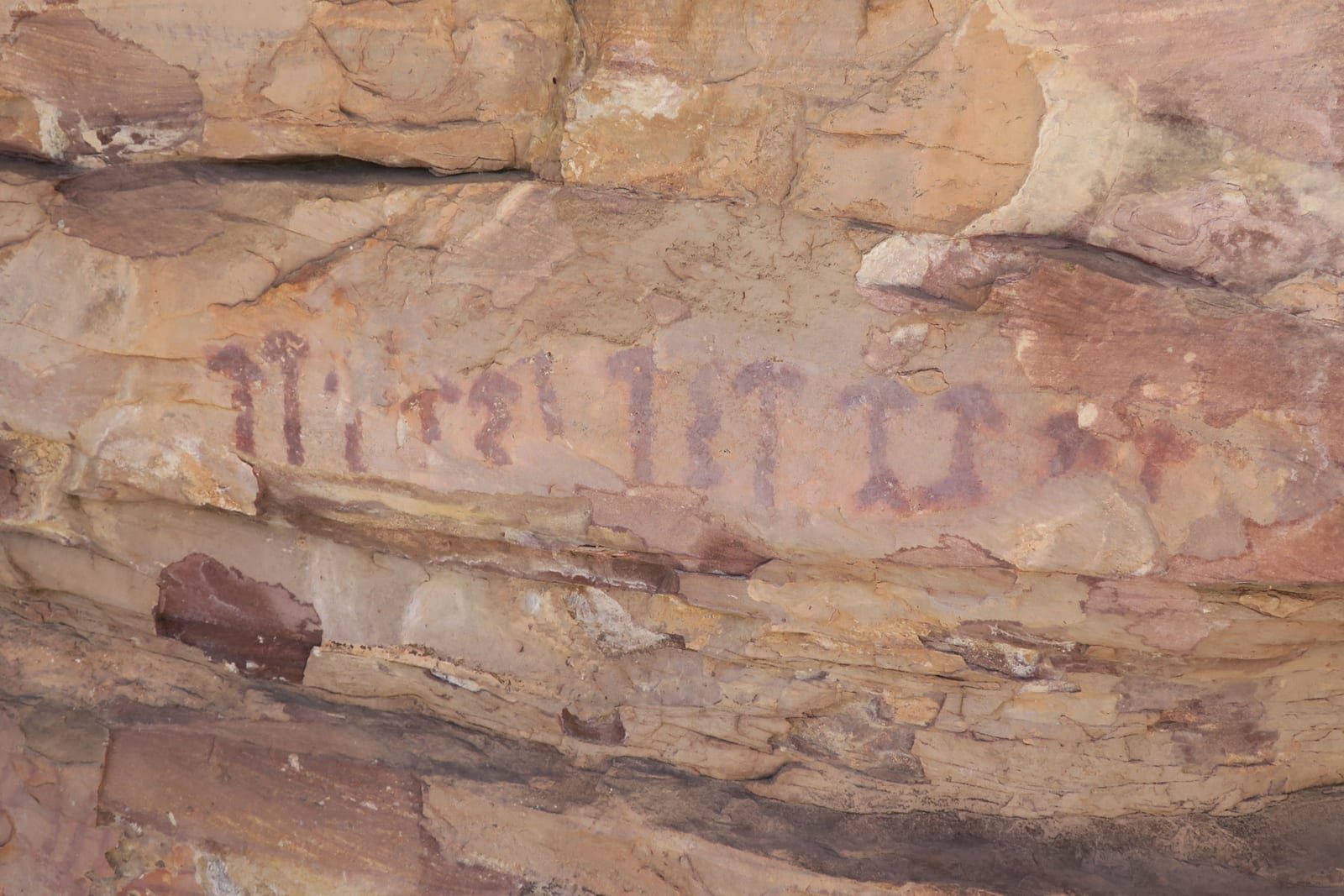
Did prehistoric Europeans use psychoactive mushrooms?
A few European sites — above all the Selva Pascuala mural in Spain — have been read as evidence of prehistoric mushroom use. The images are suggestive; the case is thin, and no material evidence corroborates them.
Standing — UnresolvedDid Santa Claus grow out of Siberian fly-agaric shamanism?
A much-shared story derives Father Christmas from the fly-agaric shamans of the Siberian north. The parallels are charming — and the direction of influence is almost certainly backwards. The modern Santa is a traceably recent invention.
Standing — Leans against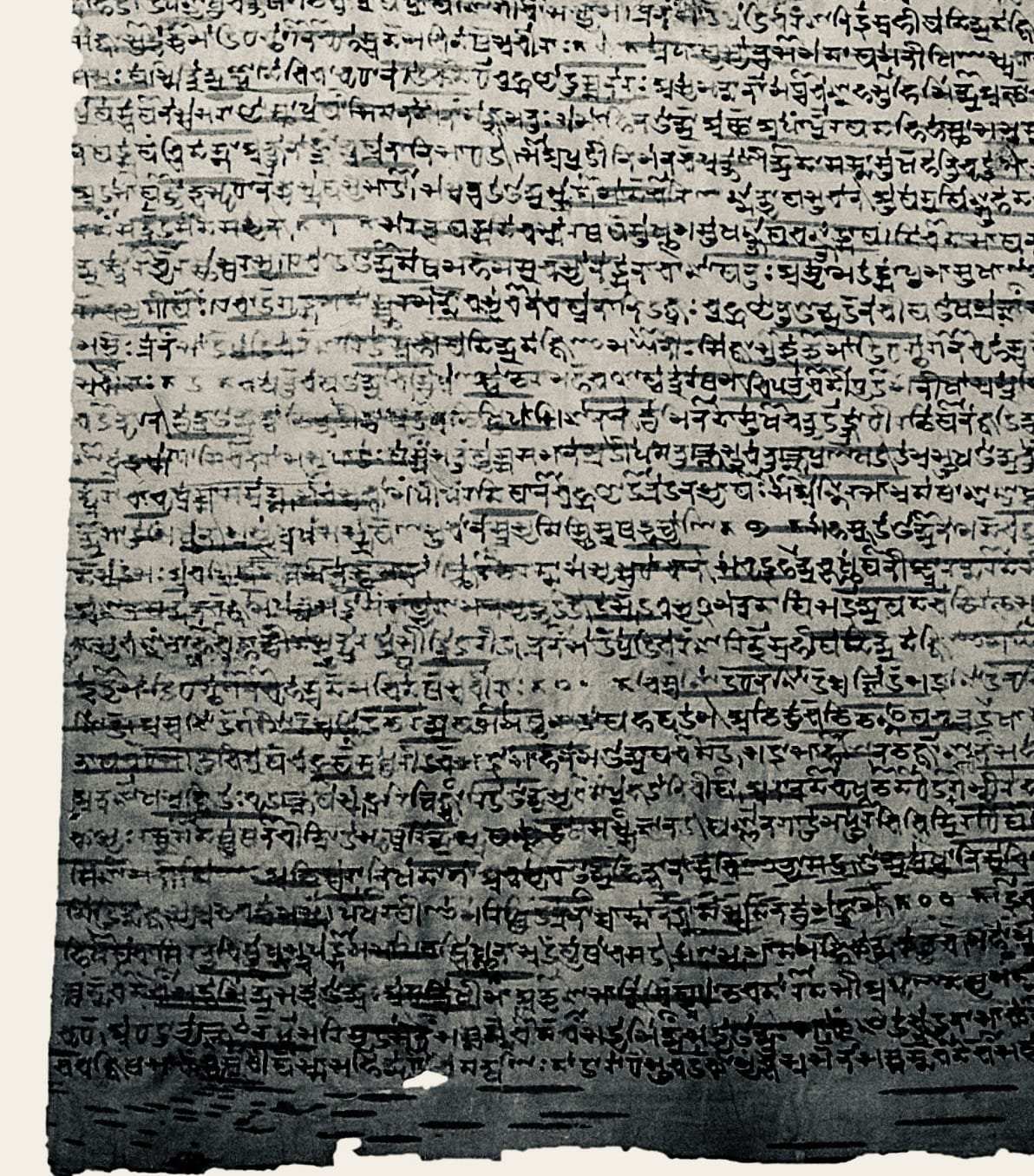
Was the Vedic Soma the fly agaric, Amanita muscaria?
R. Gordon Wasson's 1968 argument that Soma was the fly agaric is a landmark of speculative ethnomycology — influential, elegant, and still contested by scholars who read the same hymns very differently.
Standing — Unresolved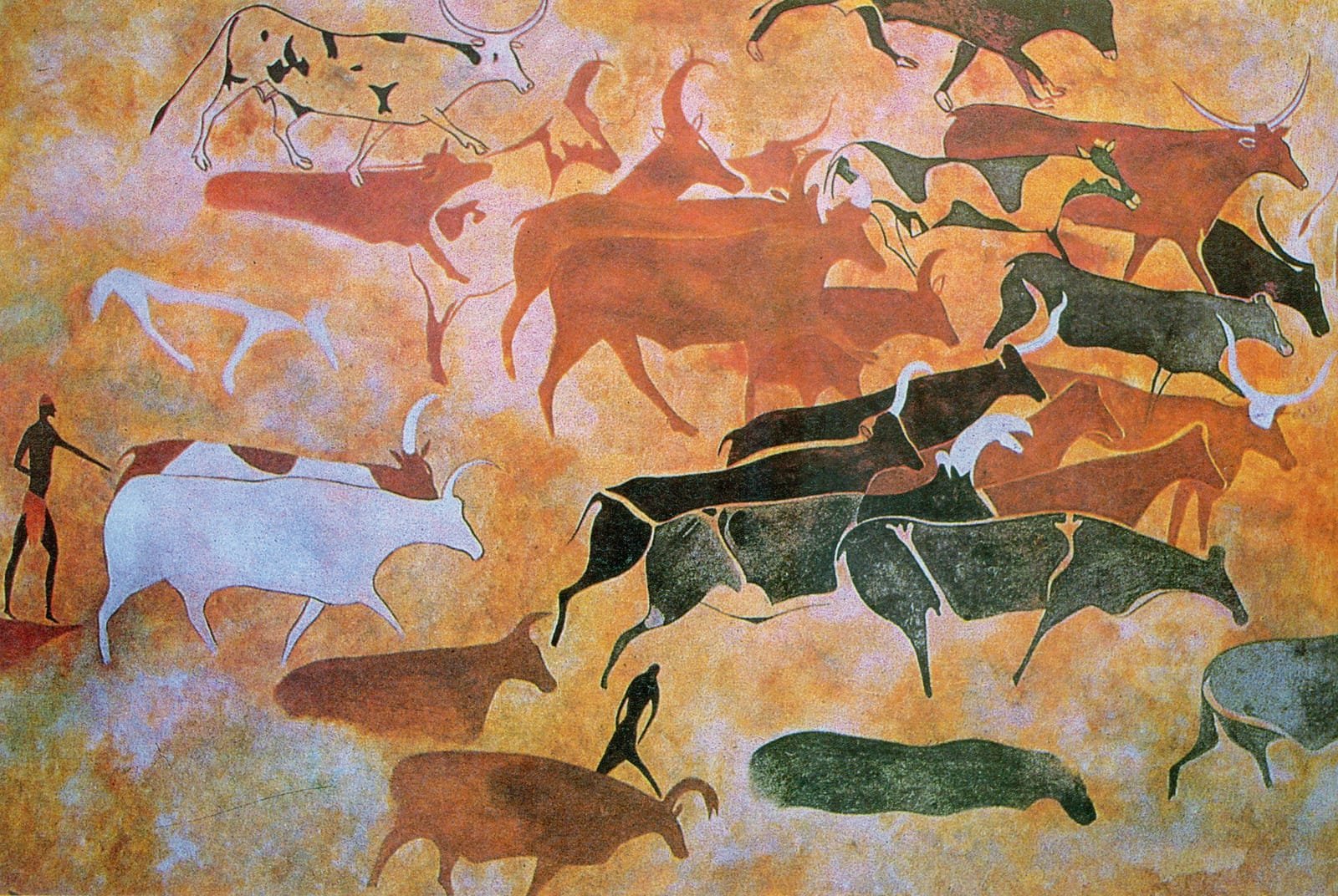
Do the Tassili n'Ajjer paintings depict psychoactive mushrooms?
A few Round Head figures have been read as holding mushrooms. The forms are ambiguous, the images are millennia old, and no thread connects them to any known practice.
Standing — Unresolved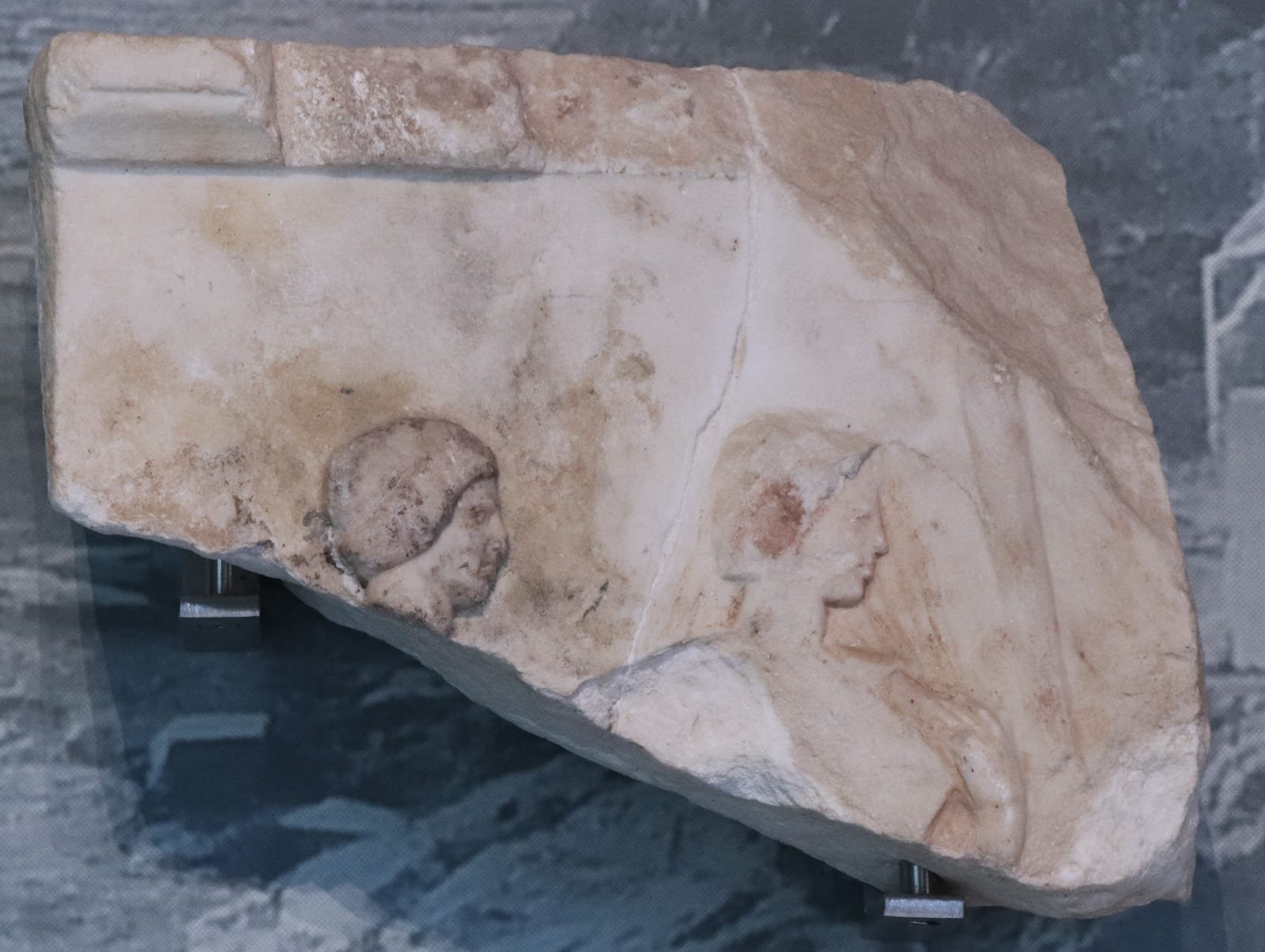
Was the sacred drink of the Eleusinian Mysteries psychedelic?
For nearly two thousand years, initiates at Eleusis drank a barley potion — the kykeon — and came away changed. Wasson, Hofmann, and Ruck proposed the drink was psychoactive, brewed from ergot. It is a serious idea, and an unproven one.
Standing — UnresolvedThe evidence spectrum
Not every claim is equal — and we say so on every page
MushroomTribes sorts what is known from what is merely repeated. Six labels mark the kind of support behind a claim, from a living tradition observed today to a story the psychedelic world tells about itself.
- 01 Living Tradition
- 02 Written in History
- 03 Etched in Stone
- 04 Newly Surfaced
- 05 Contested Mystery
- 06 Legend