The archive
People
The healers, diviners, and knowledge-keepers at the heart of these traditions — and the outside researchers who documented, and sometimes exposed, them.
Keepers of the tradition
4 people
The healers, elders, and Indigenous knowledge-holders at the heart of these traditions — named first, on purpose.
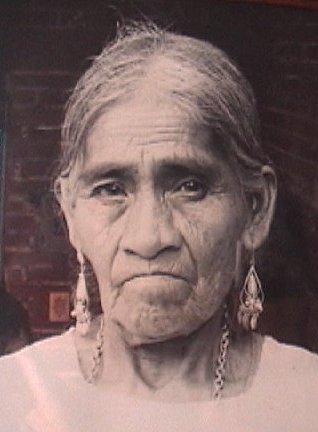
María Sabina
Mazatec curandera and chjota chjine — ‘one who knows’ · c. 1894–1985The Mazatec healer whose veladas and sacred chants became known worldwide after 1955 — and who bore much of the cost of that exposure. She is remembered here as a person and a practitioner, not as a symbol standing in for an entire people.
Eugenia Casimiro
Mazatec curandera, Huautla de Jiménez · contemporaryDoña Eugenia Pineda Casimiro, daughter of the grandmother Julieta Casimiro, who inherited the family altar and now carries the Mazatec tradition of the niños santos into a new generation.
Jazmín Casimiro
Mazatec velada guide, Huautla de Jiménez · contemporaryA younger-generation member of the Casimiro lineage of Huautla de Jiménez, guiding the Mazatec velada and helping carry the family's tradition of the sacred mushroom into the present.
Julieta Casimiro
Mazatec curandera · Council of Thirteen Indigenous Grandmothers · 1936–2018The revered Mazatec curandera of Huautla de Jiménez — 'Doña Julia' — who carried the tradition of the niños santos into the wider world as one of the International Council of Thirteen Indigenous Grandmothers, and whose family keeps the altar to this day.
Researchers & chroniclers
17 people
The scientists, writers, and documentarians who recorded, studied, and sometimes exposed the traditions.
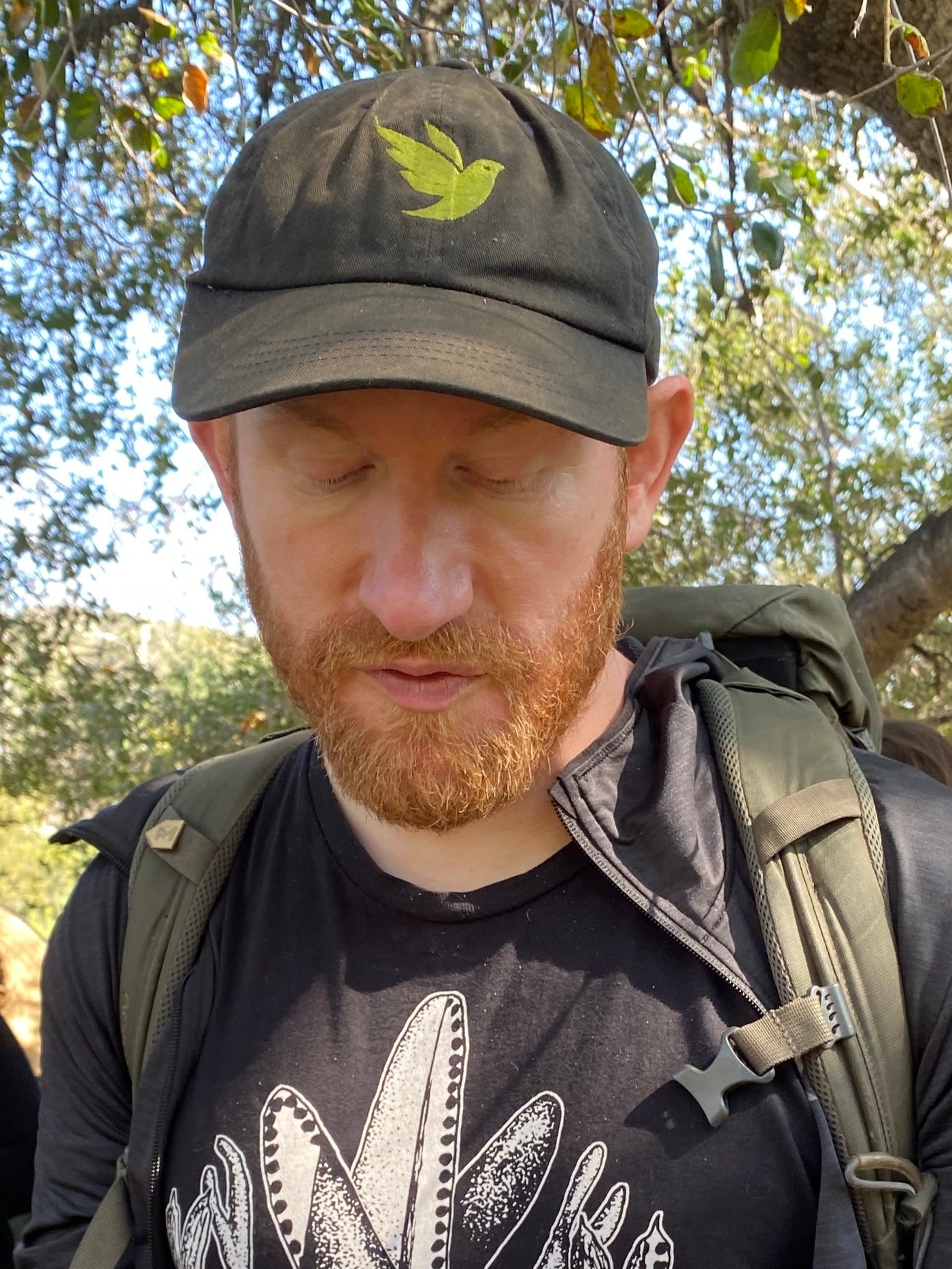
Alan Rockefeller
Mycologist, DNA barcoder & mushroom photographer · b. c. 1980One of the most recognisable Psilocybe experts alive — a self-taught mycologist who pairs old-school microscopy with DNA barcoding, has photographed thousands of species, and helped put a new African psilocybin mushroom on the scientific map.
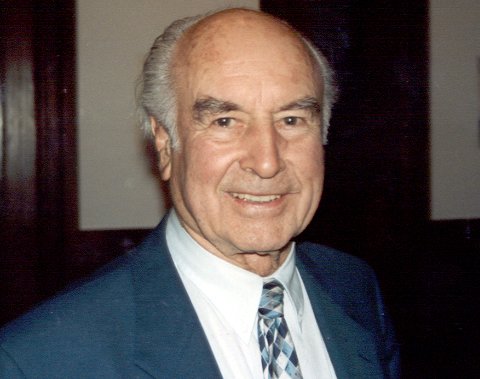
Albert Hofmann
Swiss chemist who first synthesised psilocybin · 1906–2008The Swiss chemist who put a molecule to the mushroom. Having discovered LSD, Hofmann isolated and synthesised psilocybin and psilocin in 1958 from the Mazatec mushrooms — turning a ceremonial sacrament into a defined compound that science could finally study.
Breyten van der Merwe
Mycologist, Stellenbosch University · contemporaryThe young Stellenbosch researcher who led the 2024 description of two new southern African Psilocybe species — the work that finally put a documented African mushroom tradition into the scientific record.
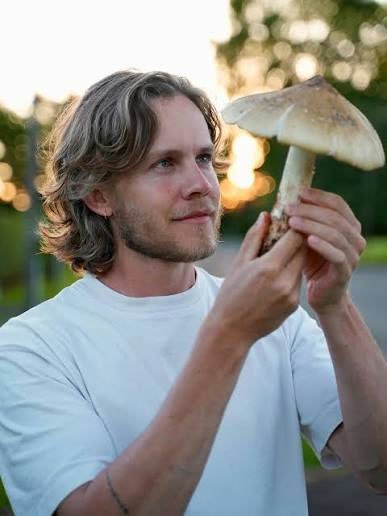
Cullen Taylor Clark
Citizen naturalist & field mycologistA citizen naturalist whose field collecting in the mountains of southern Africa helped bring Psilocybe maluti — and the Basotho tradition around it — into the scientific record, as a co-author on the 2024 description. He is the archive's example of a newer, better way the field can work.
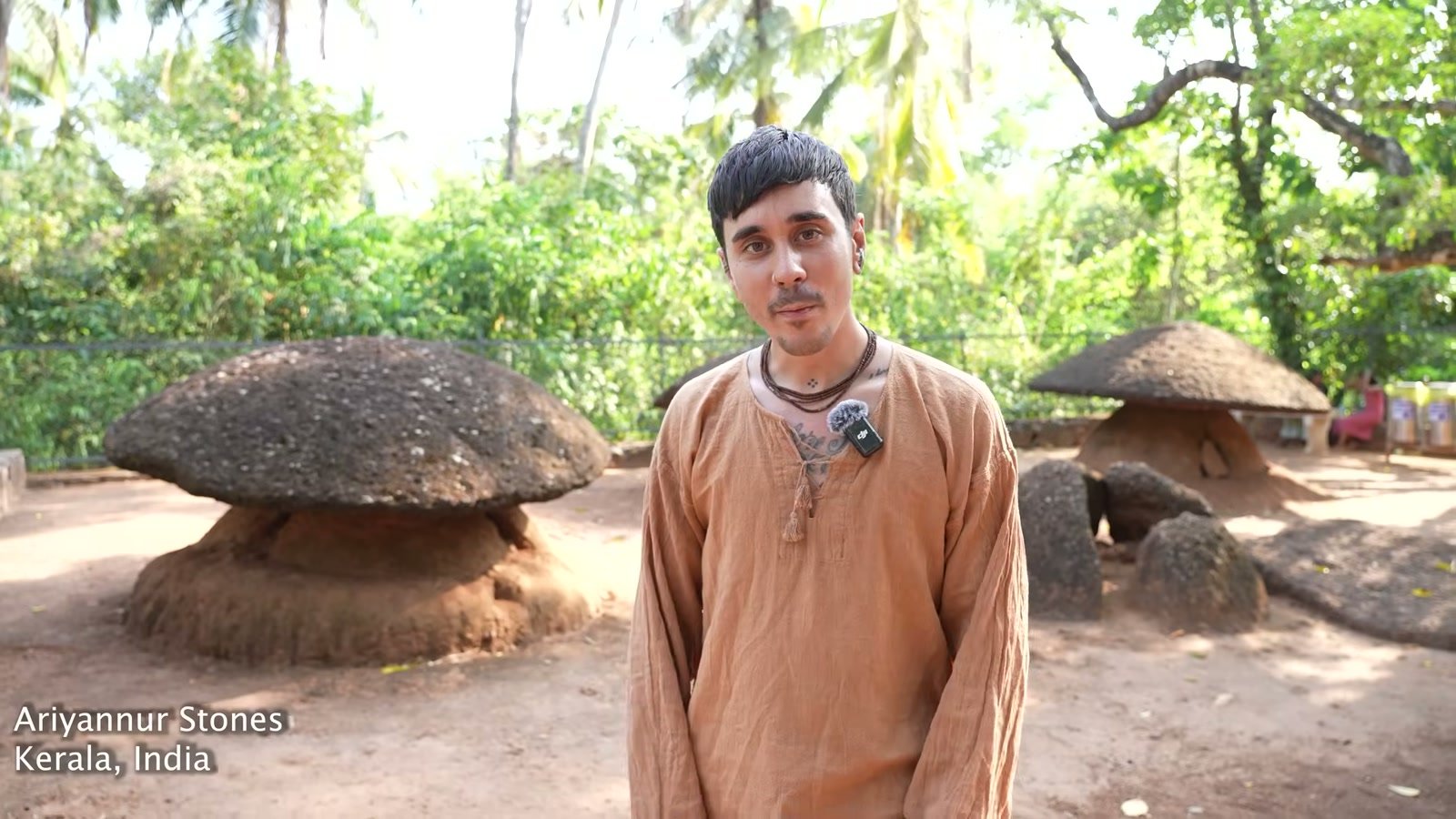
Dakota Wint
Contemporary researcher · documentary filmmaker · 'dakota of earth'A contemporary researcher and documentary filmmaker working as 'dakota of earth.' His first-person films chase psychedelic-origin theories of religion to the places themselves — India, Egypt, Oaxaca — testing each legend against what can actually be found on the ground.
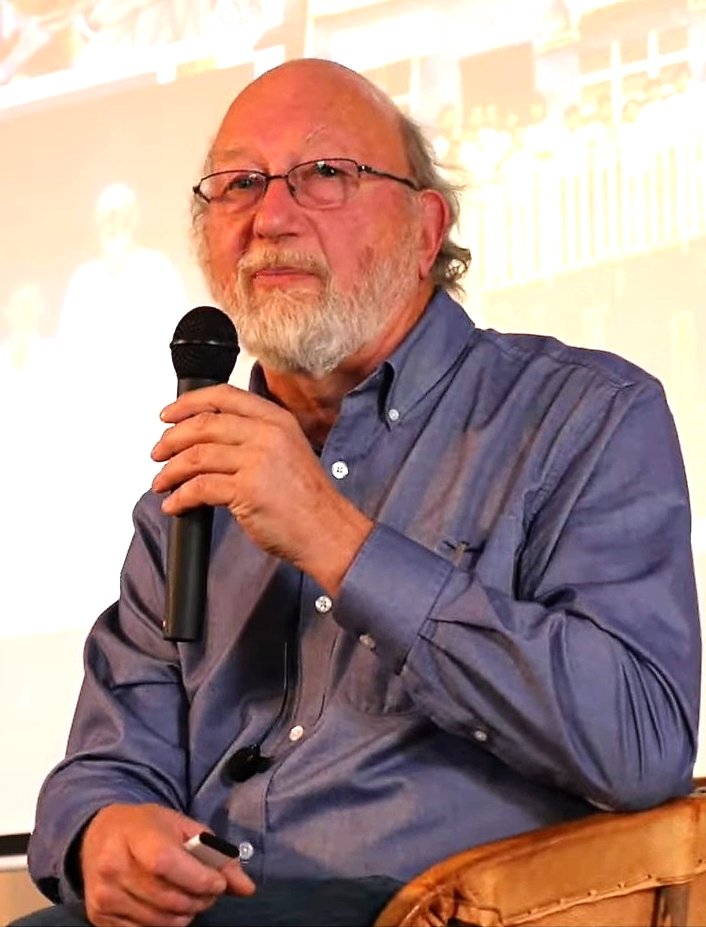
Dennis McKenna
Ethnopharmacologist · b. 1950Terence McKenna's younger brother — and the scientist of the pair. Present at the myth's origin in the Amazon in 1971, he went on to a serious career in ethnopharmacology, standing as a working example of how to chase wonder without abandoning evidence.
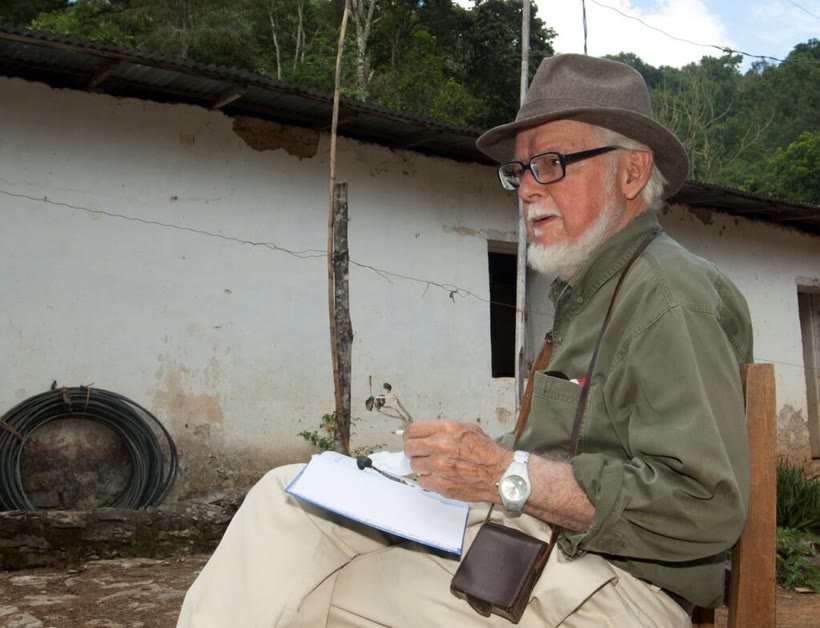
Gastón Guzmán
Mexican mycologist · 1932–2016The Mexican mycologist who described a large share of the world's Psilocybe species and mapped the astonishing diversity of Mexico's sacred mushrooms — and of the peoples who use them.
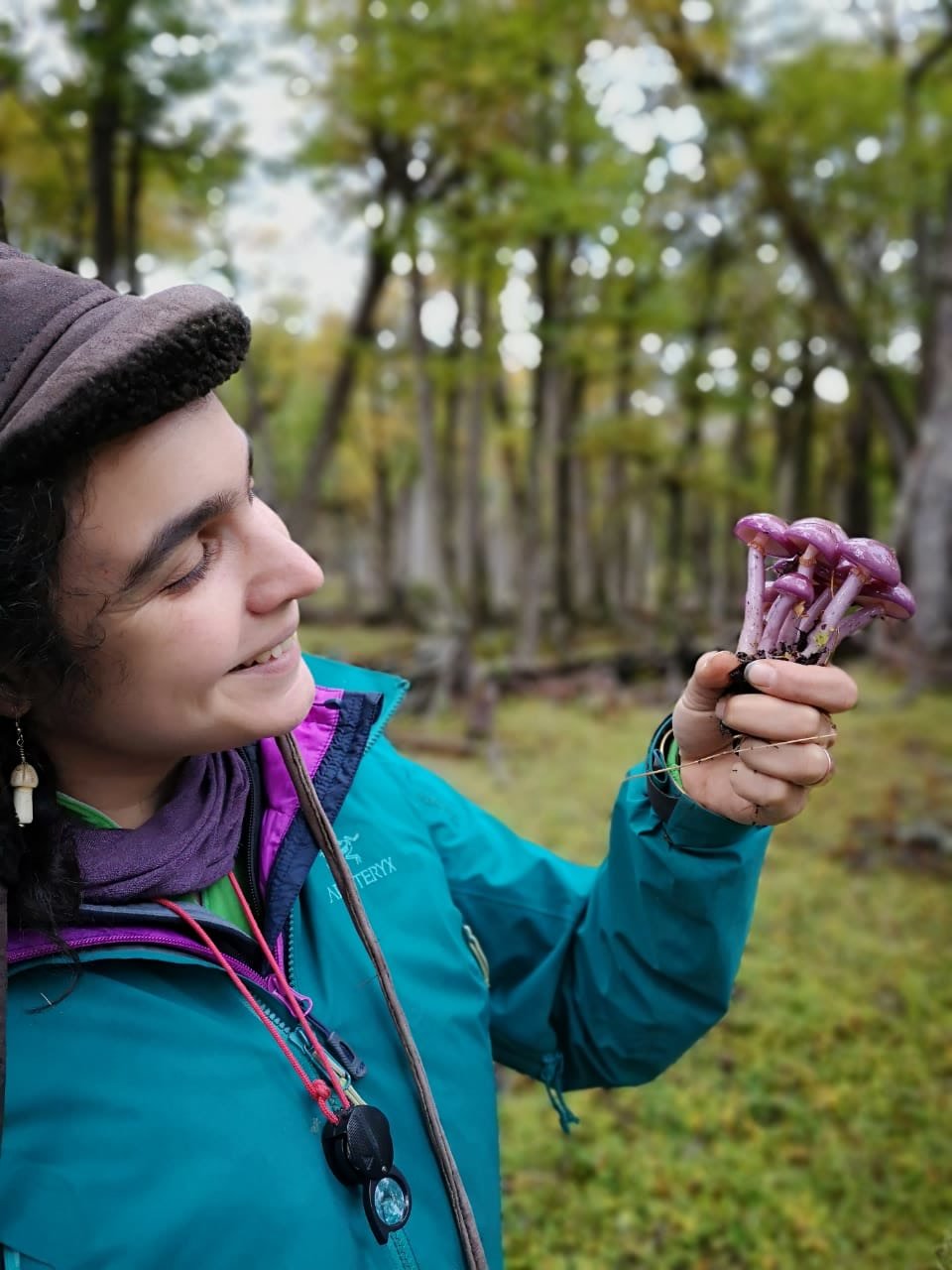
Giuliana Furci
Field mycologist & founder of the Fungi Foundation · b. 1978The self-taught Chilean mycologist who built the world's first NGO dedicated to fungi, pushed 'funga' into law and language, and helped describe the tiny Andean mushroom named for Paul Stamets.
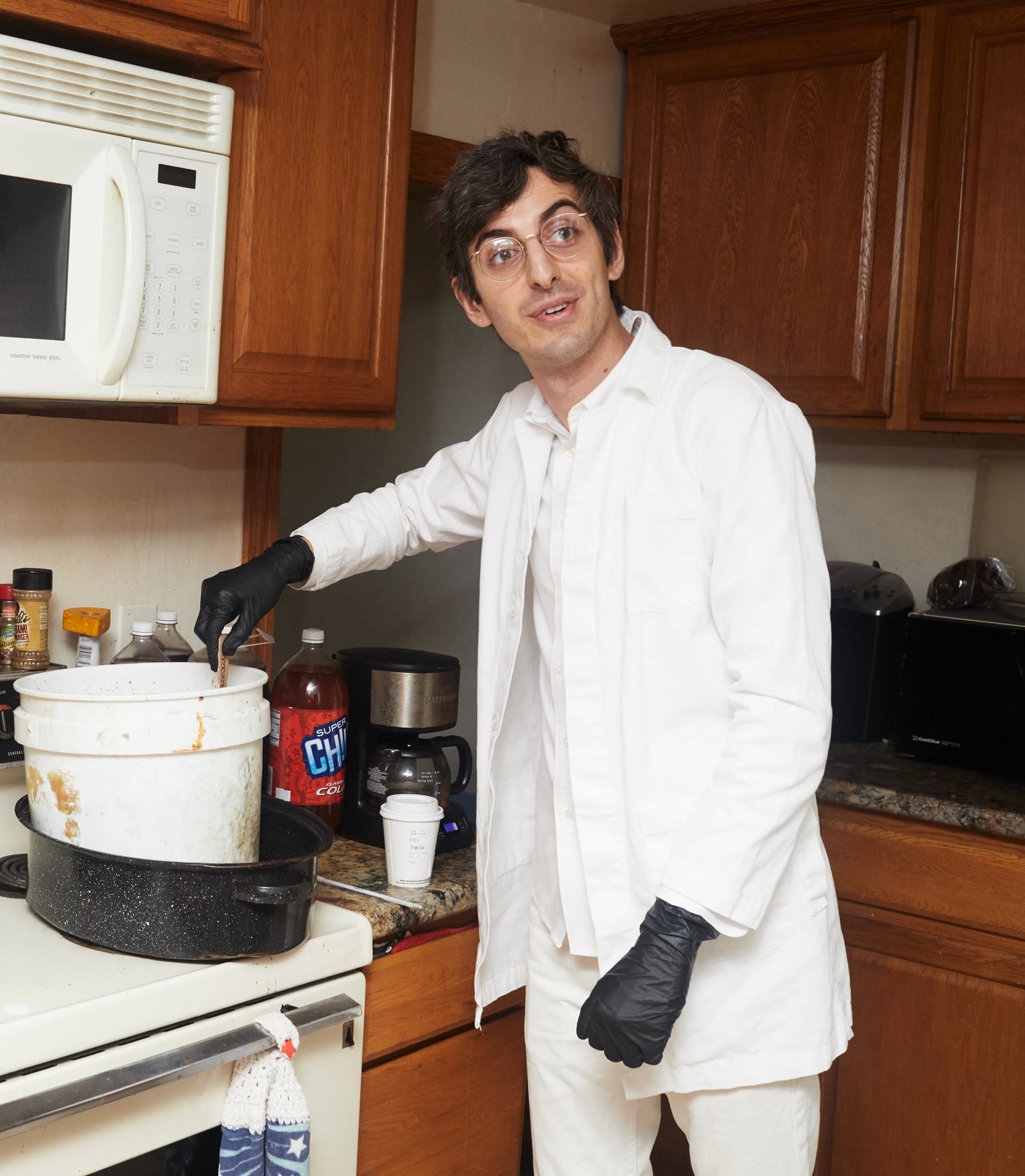
Hamilton Morris
Journalist, documentarian & chemist · b. 1987The documentarian-chemist behind Hamilton's Pharmacopeia, who travels to the laboratories, farms, and communities where psychoactive substances are made and used — and reports back with a chemist's precision and a storyteller's eye.
Henry Munn
Writer and ethnographer of Mazatec chant · 1937–2015Author of 'The Mushrooms of Language,' the essay that reframed Mazatec chant not as background to the velada but as its working technology — the means by which the mushroom speaks.
Merlin Sheldrake
Biologist & author of Entangled Life · b. 1987The biologist whose 2020 bestseller Entangled Life carried the strange, sprawling life of fungi to a global audience — and helped make a whole generation curious about mushrooms, mycelium, and the minds they touch.
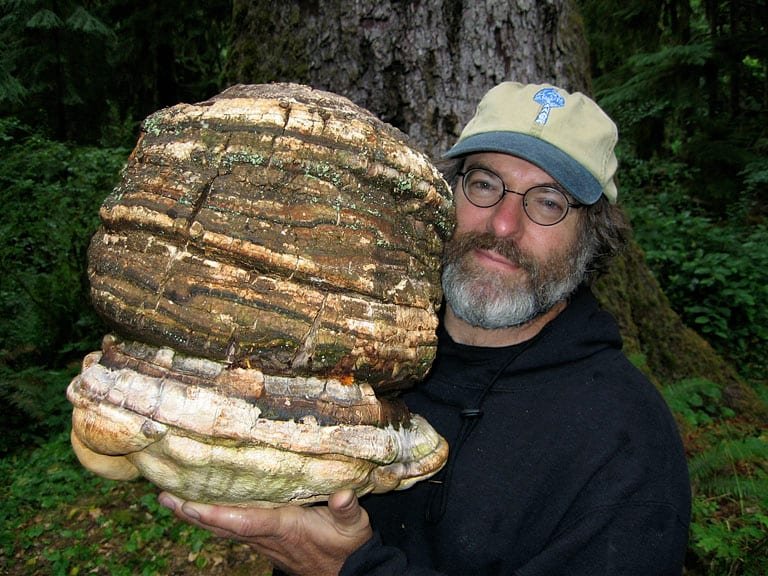
Paul Stamets
American mycologist, author & psilocybin advocate · b. 1955The mycologist who did more than almost anyone to name, illustrate, and popularise the world's psilocybin mushrooms — author of the standard identification guide, describer of species such as Psilocybe azurescens, and a tireless, sometimes controversial advocate for fungi in medicine and ecology.
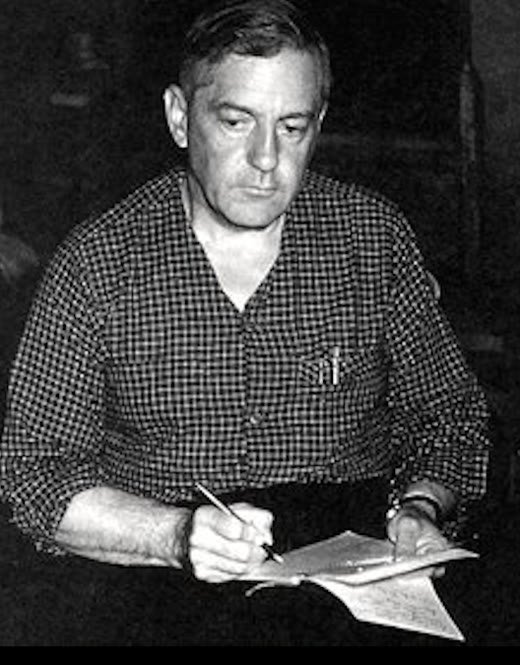
R. Gordon Wasson
Banker and amateur ethnomycologist · 1898–1986The American banker whose 1957 Life article introduced the Mazatec velada to the world — opening a field of study and, at the same time, a wound of exposure and extraction.
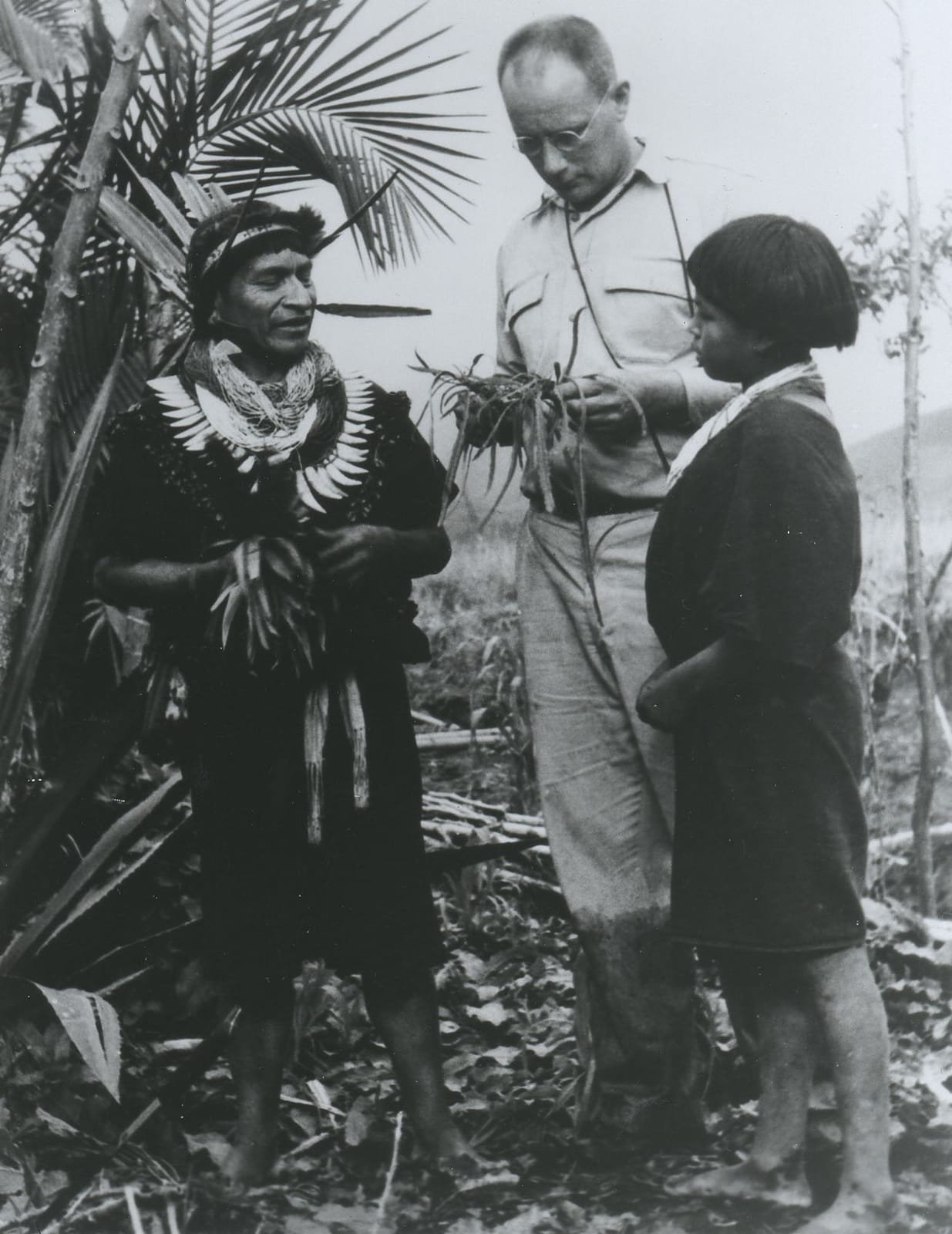
Richard Evans Schultes
Harvard ethnobotanist · 1915–2001The Harvard botanist whose 1938–39 Oaxacan fieldwork reconnected the colonial word teonanácatl to living practice, documenting sacred mushroom use among Mazatec, Chinantec, and Zapotec communities.
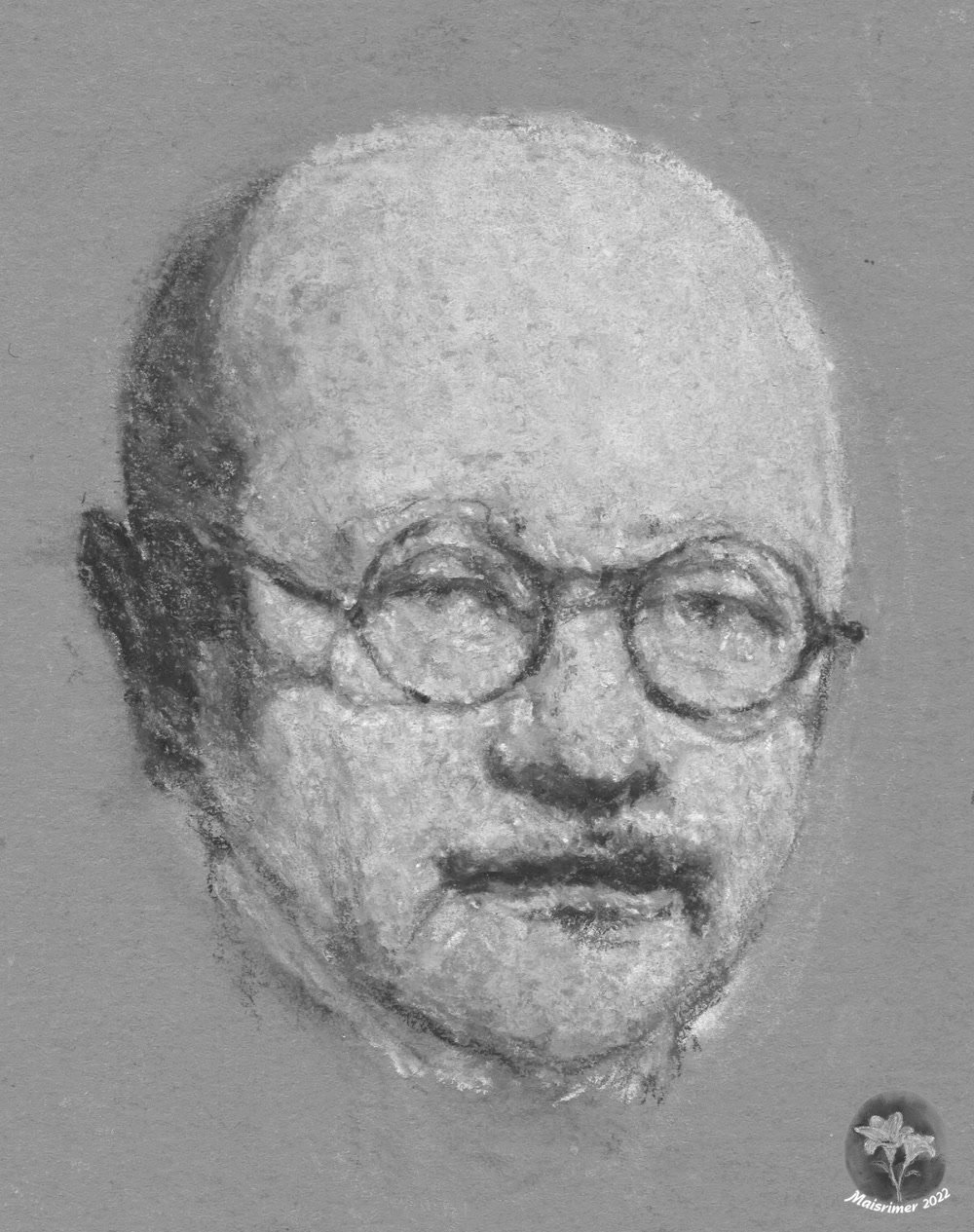
Roger Heim
French mycologist; director of the Muséum national d'Histoire naturelle · 1900–1979The mycologist who gave the sacred Mexican mushrooms their scientific names — and grew them in Paris so a chemist could isolate what made them work. If Wasson brought back the experience, Heim turned it into science.
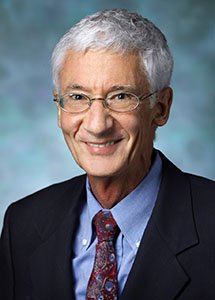
Roland Griffiths
Psychopharmacologist, Johns Hopkins University · 1946–2023The rigorous scientist who reopened clinical psilocybin research. His 2006 Johns Hopkins study — careful, controlled, and cautious — did more than any manifesto to make the sacred mushroom a serious subject of modern medicine.
Valentina Pavlovna Wasson
Pediatrician & co-founder of ethnomycology · 1901–1958The physician who co-founded the whole field of ethnomycology — and whose name is too often dropped from a story remembered as her husband's alone. The original insight was as much hers as his, and she pressed hardest on the mushrooms' medical promise.
Historical figures
2 people
Figures from the deeper past bound up in the mushroom’s story.
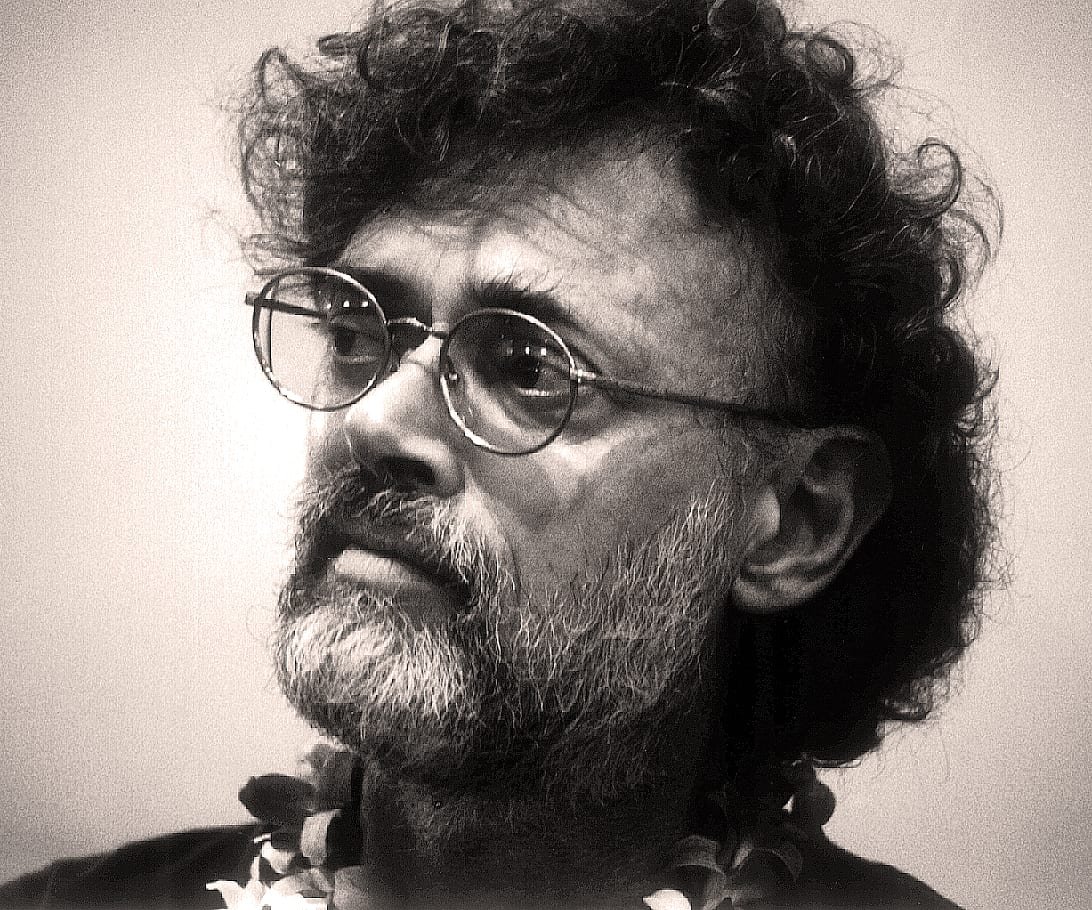
Terence McKenna
Writer, lecturer & psychedelic advocate · 1946–2000The bard of the psychedelic revival — a spellbinding speaker and writer whose 'Stoned Ape' hypothesis and vivid trip reports shaped popular mushroom culture more than any scientist's work, and whose ideas are best read as provocation rather than proven history.
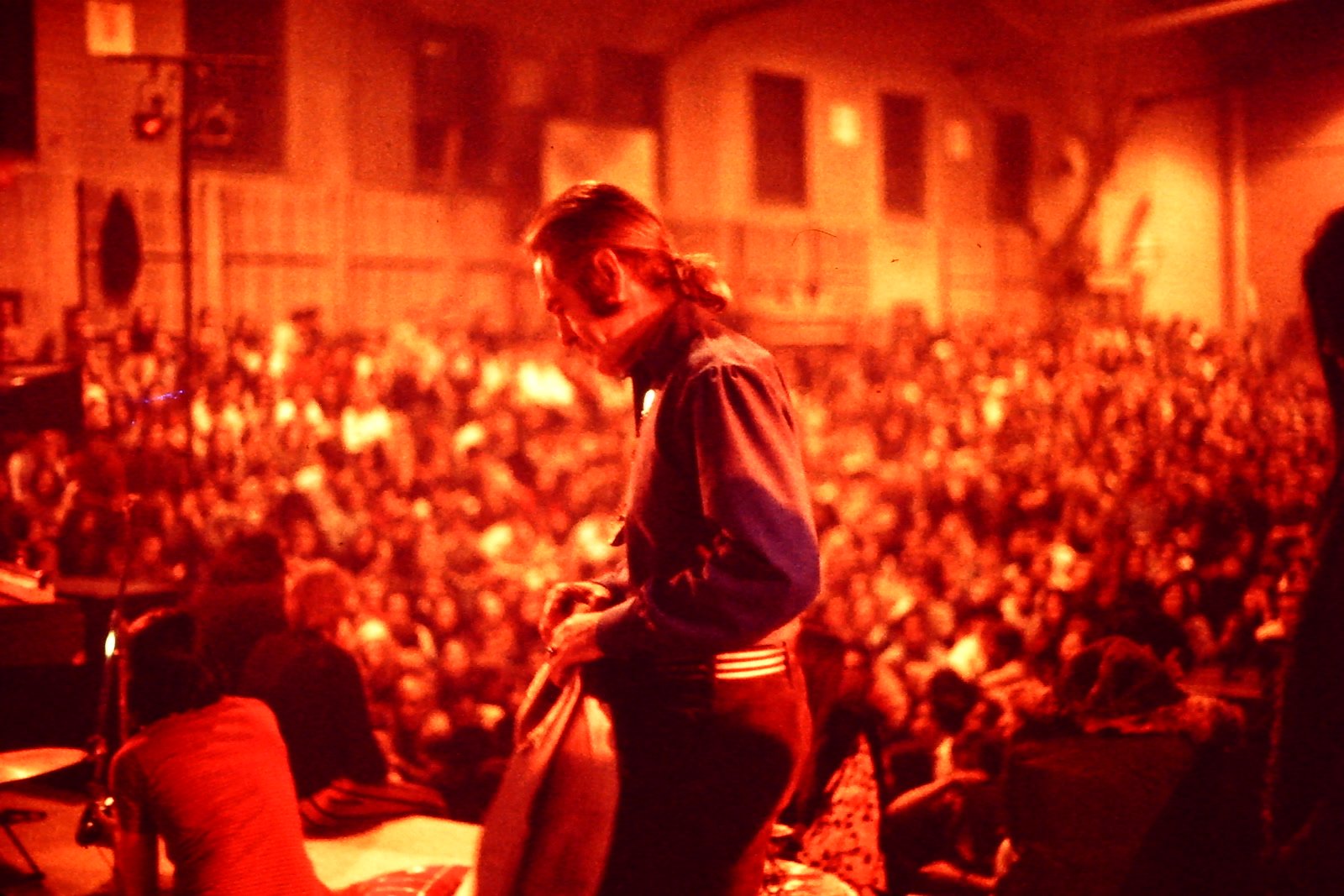
Timothy Leary
Psychologist & psychedelic counterculture figure · 1920–1996The Harvard psychologist who turned psilocybin into a movement — and, many argue, into a scandal that set serious research back a generation. He belongs here as the figure through whom the mushroom became political, for better and for worse.