Mesoamerica · Culture
Chatino
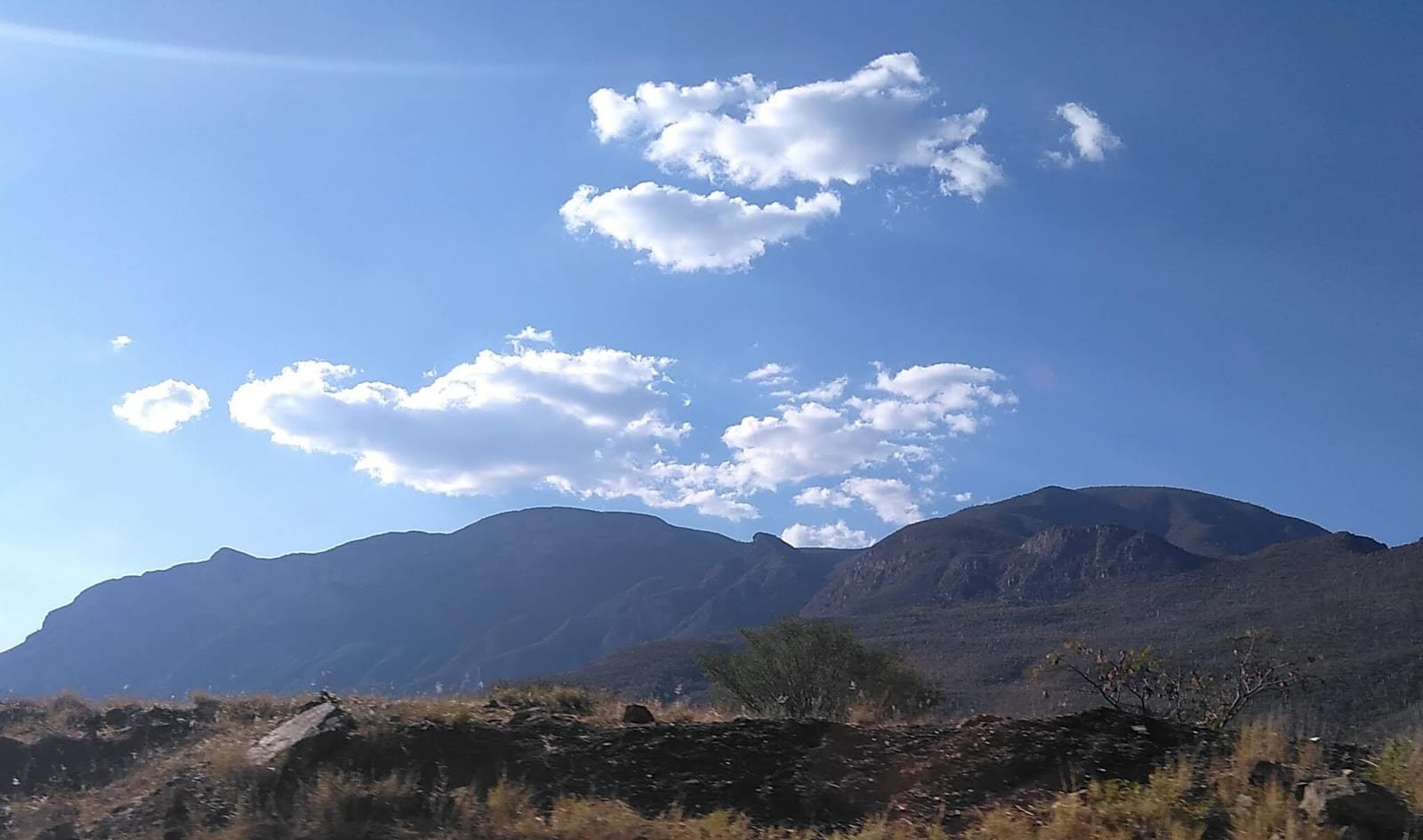
The Sierra Madre del Sur of Oaxaca — the mountain country of the Chatino. — Photo: Fani Lugo · CC BY-SA 4.0 · Source
The people and the landscape
The Chatino live in the Sierra Sur of southern Oaxaca, close kin to the Zapotec in language and long entangled with them in history. Like their neighbours, they inhabit a world of steep coffee-growing slopes and dispersed mountain communities.
A name in the record
The Chatino enter the ethnomycological literature chiefly through synthesis: Gastón Guzmán’s surveys count them among the Mexican peoples with recorded sacred mushroom use.1 The Mazatec to the north drew the world’s cameras; the Chatino kept their practice quiet, which is part of why it endures.
The holy children in the Sierra Sur
Where the record follows the trail to specific towns, it comes alive. In Chatino communities of the Sierra Sur — Santiago Yaitepec among them — healers still turn to the sacred mushrooms for divination and curing, reading through the night for the hidden cause of an illness or the answer to a question.2 The rite is close kin to the Mazatec velada: a shared Oaxacan grammar of the niños santos, the “holy children,” spoken here in a Zapotecan tongue. Less filmed, less written down — and, for exactly that reason, one of the living threads the outside world never managed to unravel.
Footnotes
The record
Evidence
The support for this entry, separated by kind. Different kinds of evidence carry different weight.
- Later scholarly interpretation
- Gastón Guzmán's surveys list the Chatino among Mexican peoples with recorded sacred mushroom use.
What remains uncertain
- The Chatino case rests mainly on synthesis and passing mention rather than a dedicated modern ethnography.
Sources & editorial record
Sources & further reading
Gastón Guzmán (2008). Hallucinogenic Mushrooms in Mexico: An Overview. Economic Botany 62(3).
Species-level overview; identifies P. caerulescens (Nahua teotlaquilnanácatl) among ceremonially used mushrooms and counts Indigenous peoples with recorded use.
Congreso de la Unión (current). Ley General de Salud (arts. 234, 245). Cámara de Diputados, Mexico.
Lists psilocybin and hallucinogenic mushrooms, including Psilocybe mexicana, as controlled substances.
Editorial record
Corrections history
No corrections recorded yet. Spotted an error or a mischaracterisation? See how corrections work.
Last reviewed